Roots · 1827–1858
Cantonists — the first generations of Finnish Jews
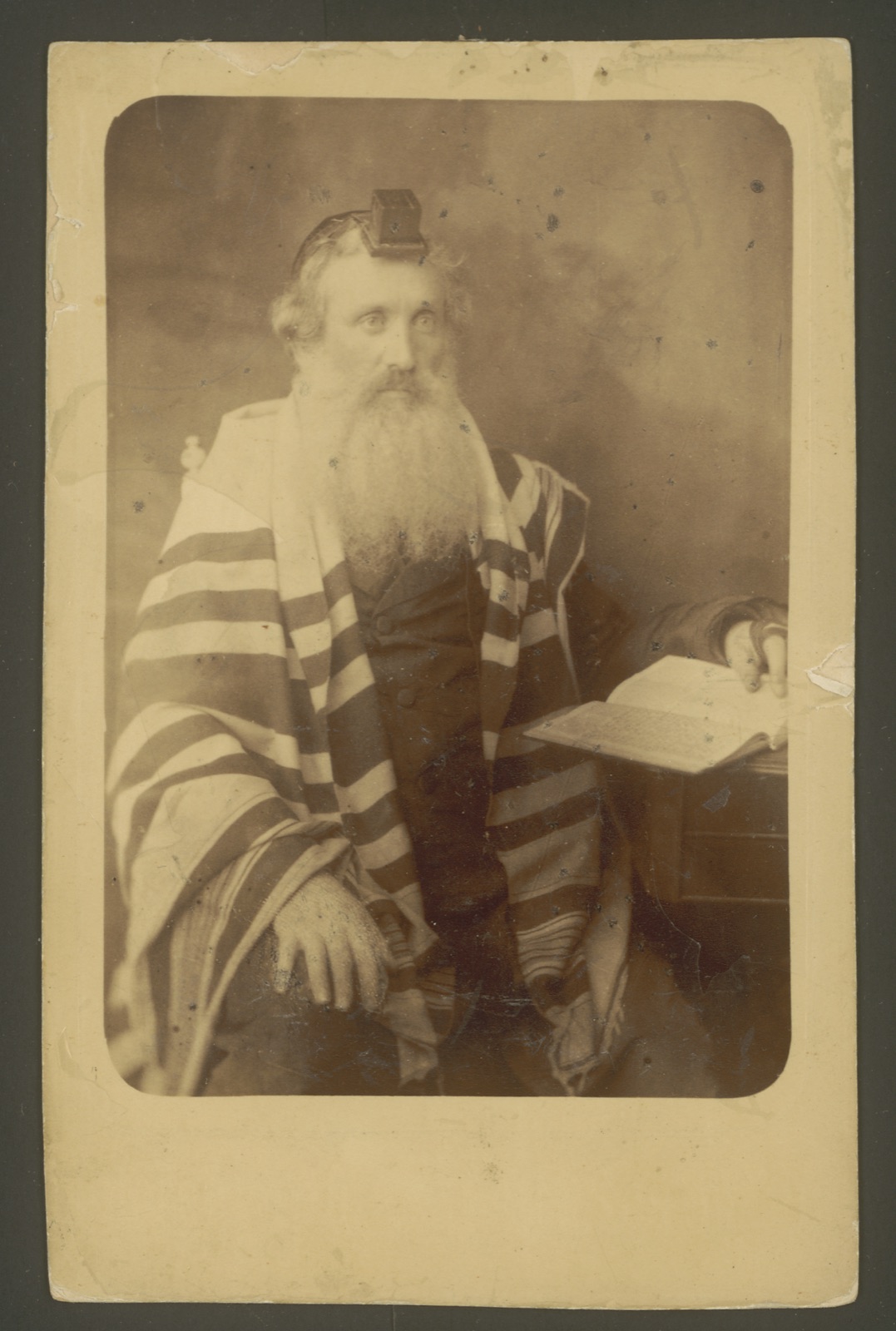
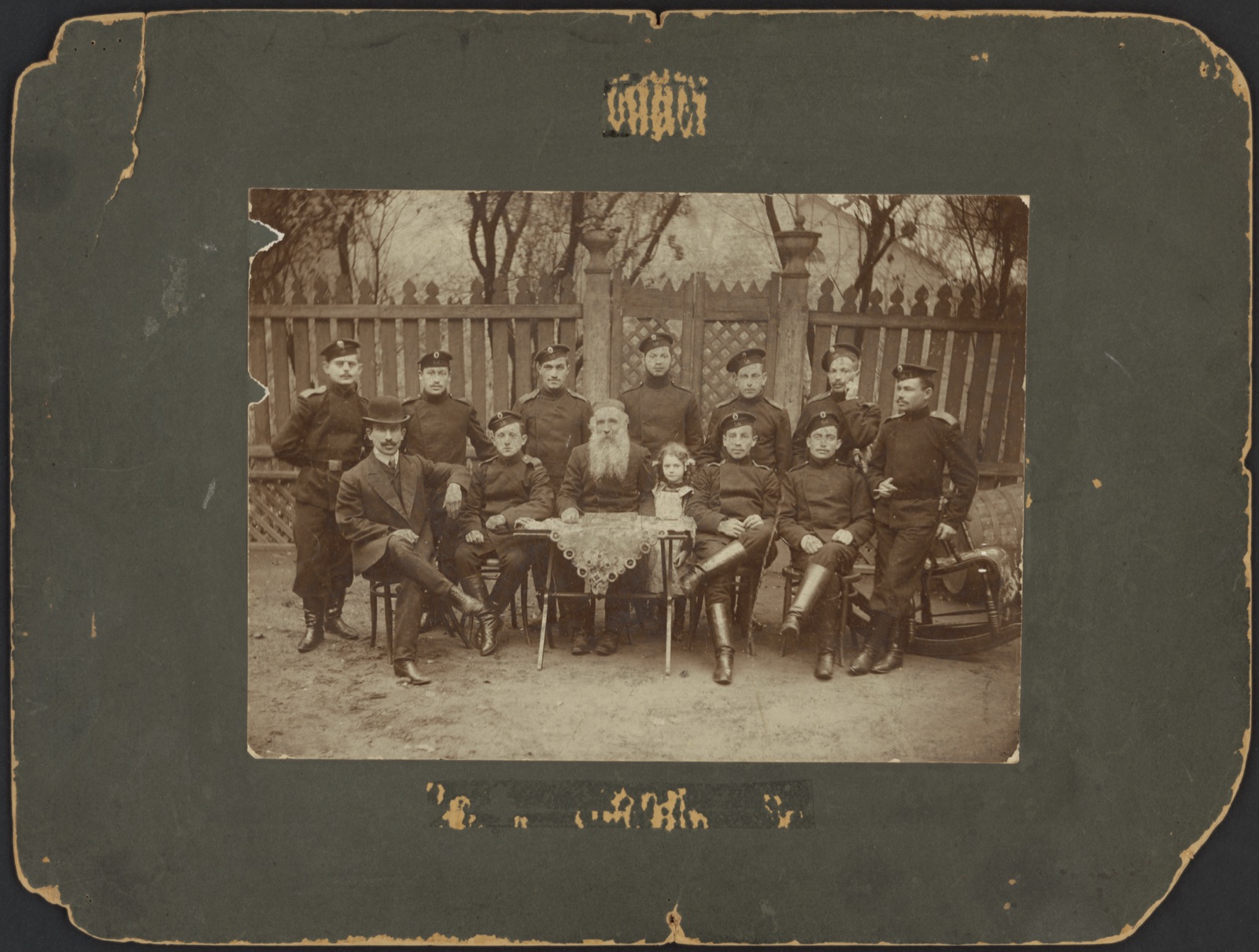
The first generations of Jews in Finland are commonly called Cantonist Jews. Although, strictly speaking, only the soldiers taken into the Russian army as minors in the earliest phase were Cantonists, the term has come to cover all the Jewish soldiers who came from Russia and their later-born descendants.
Historical roots
The canton system and conscription
Already in the 18th century Russia introduced a system of territorial division named after the Swiss cantons. The system was used as recruitment areas for the army, so that the army would be not only large enough but also composed evenly of men from the different parts of the empire.
After the expansion brought about by the Napoleonic Wars, the number of Russia's Jews grew considerably. With the conquest of the Baltics and Poland — parts of present-day Ukraine and Belarus then belonged to Poland — almost all the Jews of Eastern Europe lived within the Russian Empire. After this expansion, conscription was extended to cover Jews and other minorities of Russia as well. A law on the conscription of Jews into the army came into force in 1827.
Boys' schools
The law was implemented by ordering the eldest sons of Jewish families, at about 9–12 years of age, into the army's boys' schools, which were organised on a canton basis and were therefore called Cantonist schools. The pupils of these schools were called Cantonists in Russian, which thus meant an underage military ward placed in the army's schools.
The idea of the system was to take the boys from their families before their Jewish religious coming of age — that is, before they had made their bar mitzvah. In the schools they were to be taught Christianity and, in time, converted and baptised. This indeed happened in many cases.
Owing to the caprices of Russian bureaucracy — or for some other reason — instead of priests, rabbis were sometimes hired as teachers for the Jewish boys, and so the boys' religious knowledge only grew in the boys' schools. It was a mistake to assume in the first place that Jewish boys on the threshold of their teens would not already have known the customs and prayers of their religion. After all, they had grown up their whole childhood in Jewish homes, where religion and its customs, ordinances, festivals, prayers and blessings were an inseparable part of family life and everyday culture.
Development — from the army to Finnish Jews
Military career and trades
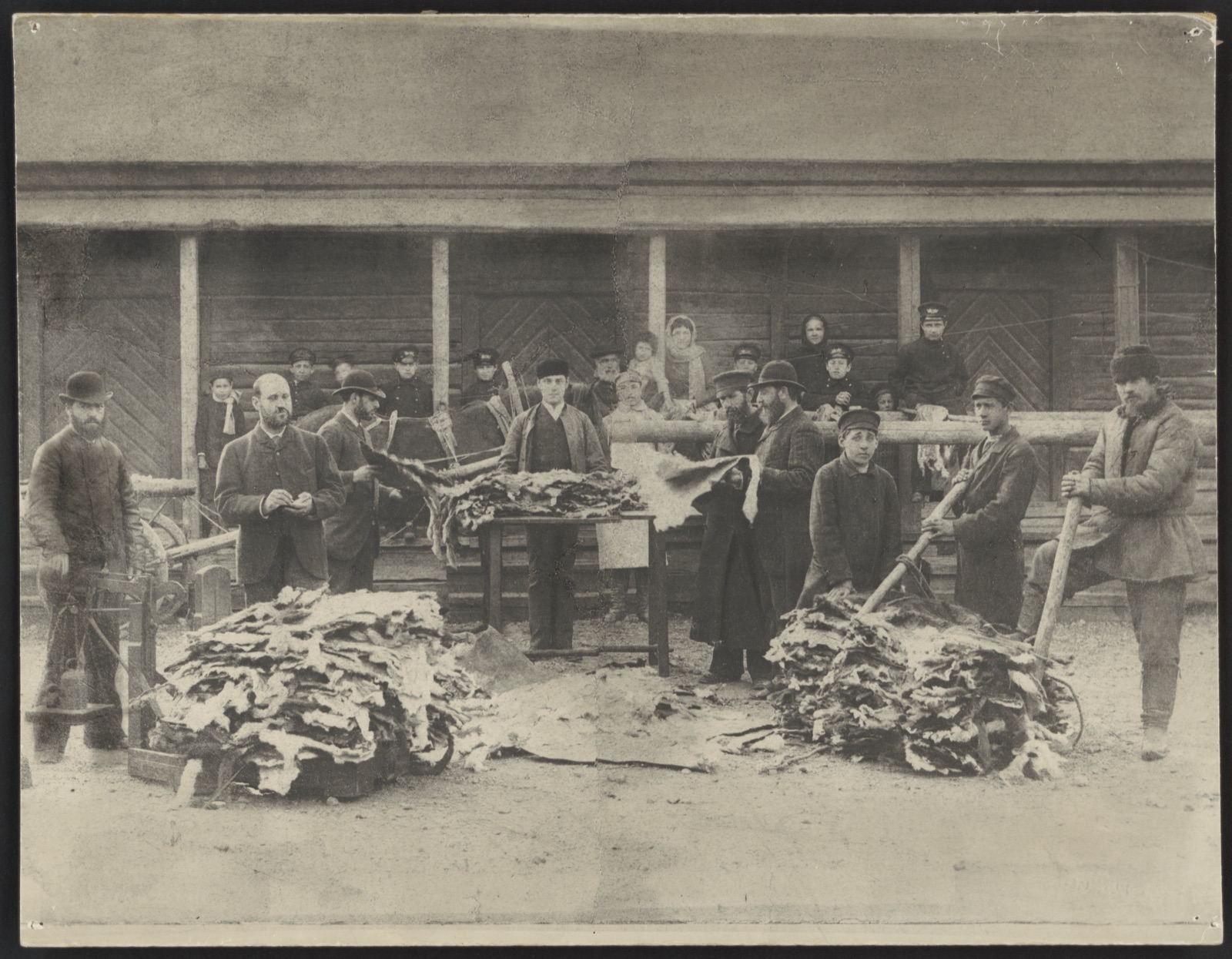
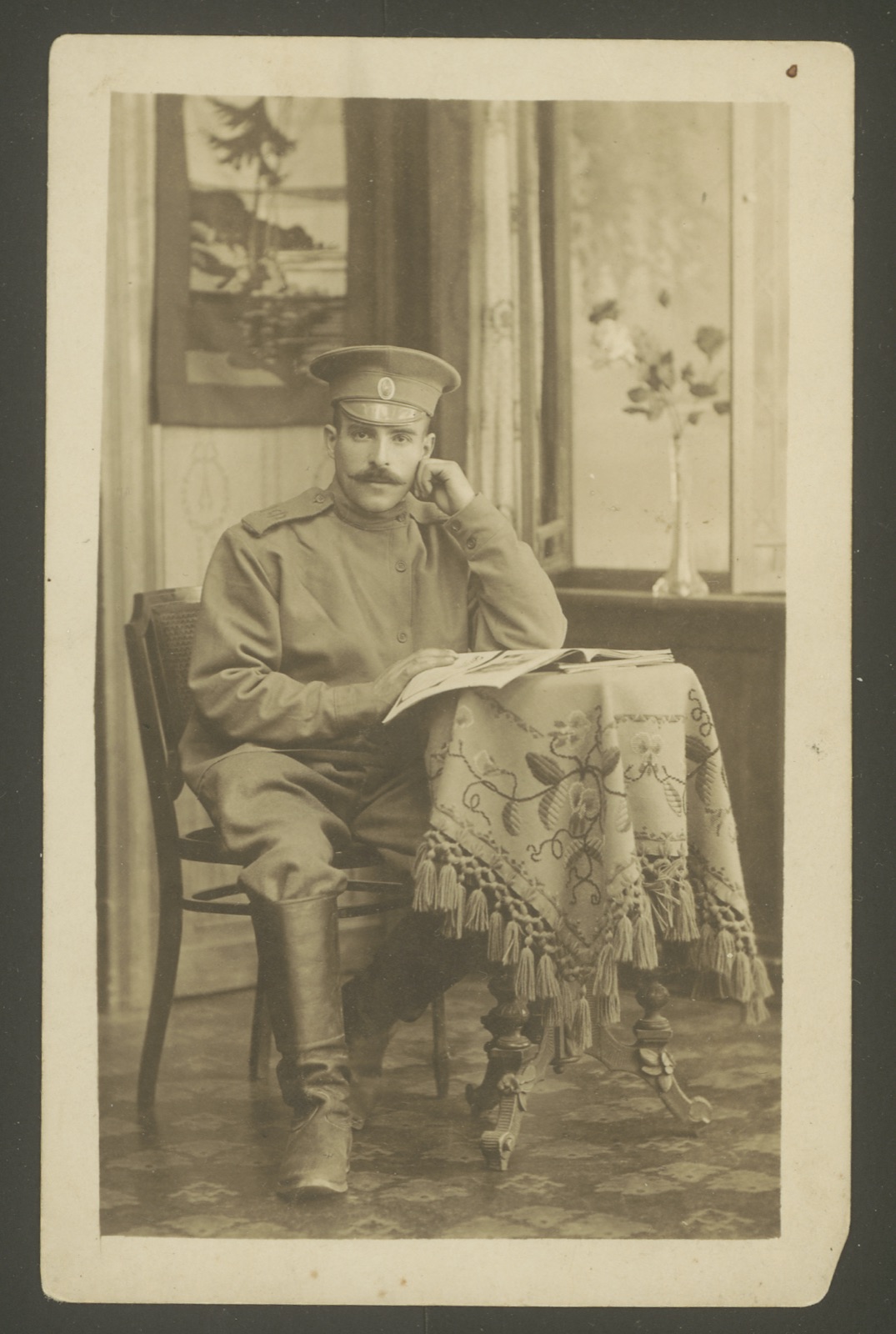
When the boys' school pupils in time turned 18, they were assigned as soldiers to the Russian army and sent, as its soldiers, to garrisons in various parts of Russia — including Finland. Military service lasted 25 years at first and was later gradually shortened. In the army, besides military skills, the soldiers were also taught various trades: some of the Jewish soldiers became cobblers, some tailors, and so on. Surprisingly many also became military musicians.
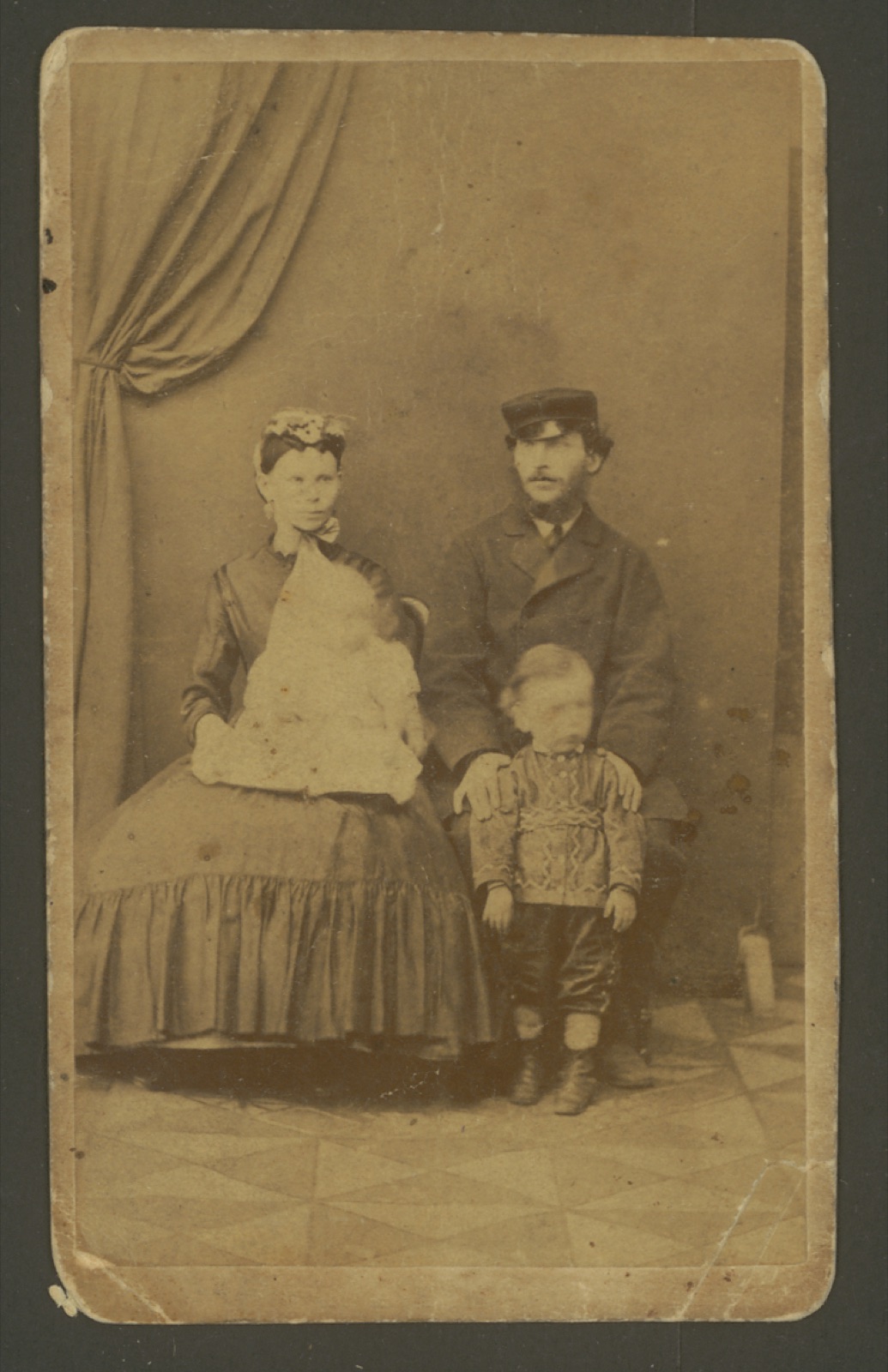
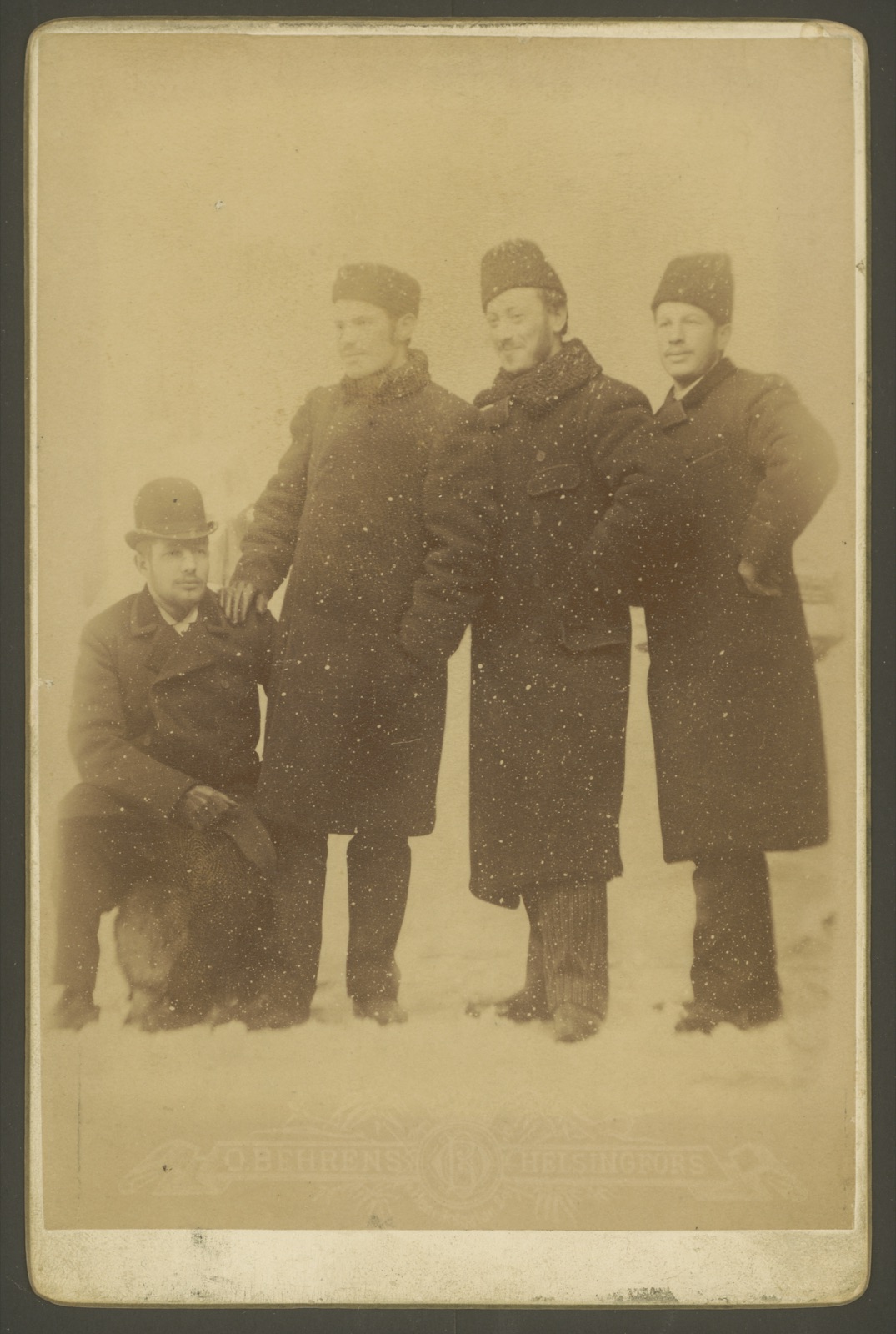
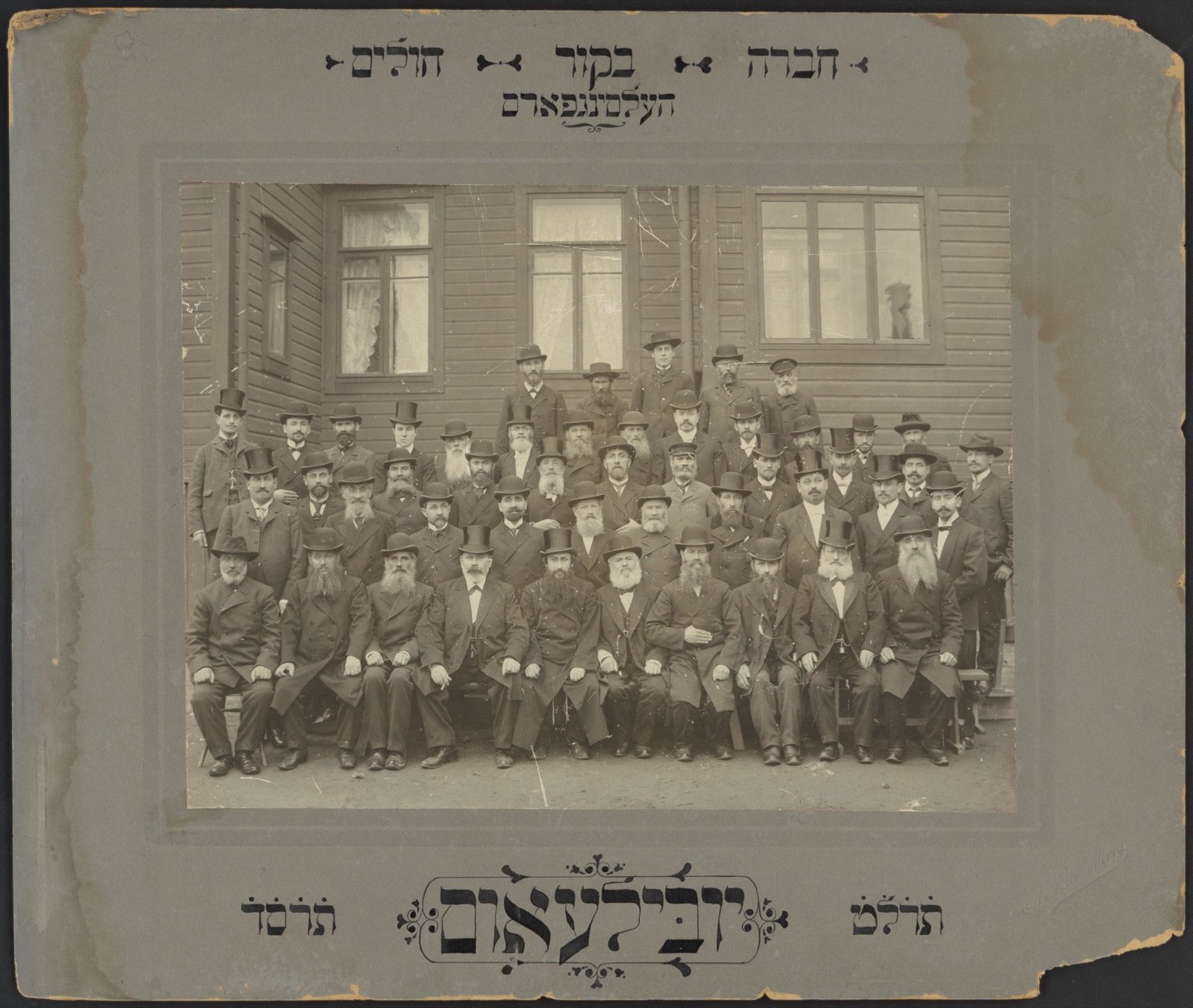
During their long service the Cantonists could marry and support families. The Russian military authorities, in cooperation with the Jewish communities and rabbis, sought suitable spouses for them. In Helsinki the families lived at first in Viapori but later on the mainland, especially in Kruununhaka.
The formation of Finland's Jewish population
In 1856, soon after Alexander II came to power, the canton system — regarded as unjust and cruel — was abolished, and a law was enacted allowing soldiers released from the army to remain living in the areas where their service had ended. Thus Finland's Jewish population began to form. These Jewish families came to be called Cantonist Jews, and the name has been passed down to the families' later generations too.
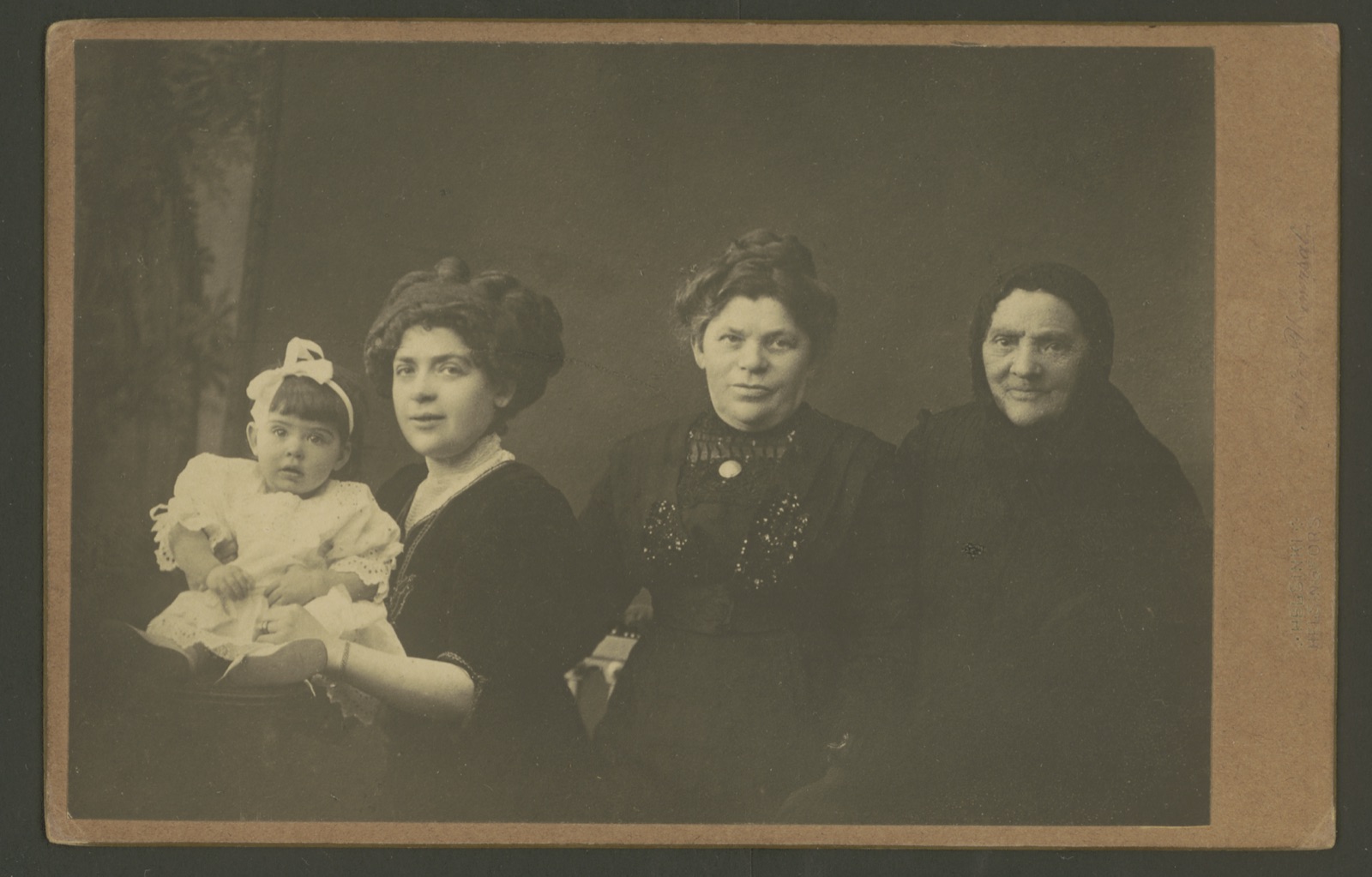
Jewish soldiers who came to Finland later during Russian rule, whose term of service was already considerably shorter, and their families merged with the Cantonists through marriage. In practice, Finland's Jewish population consisted almost entirely of the descendants of Cantonist families right up to the turn of the 1970s and 1980s.
Today — the diversification of the Cantonist heritage
From the 1970s and 1980s onwards, families began to arrive in Finland — first those who had married Israelis, some of whom had started families with a Finnish Jew and, increasingly, with a Finnish Christian. After the collapse of the Soviet Union, some of those who had travelled onward through Finland stayed, and the Jewish population diversified anew.
Today the Jews of Finland are a demographically quite diverse group. The pupils of the Jewish school of Helsinki, for example, speak more than ten different languages as their mother tongue. Yet the Cantonist heritage still holds a central place in Finnish Jewish self-understanding: it is a reminder that the Jewish community of Finland arose as a consequence of the Russian tsar's violent recruitment system — but also that children raised in a strong religious heritage were able to preserve their Jewishness through a decades-long military career and to build themselves a home in an entirely new country.
Images