200 years of Finnish Jewish life
History
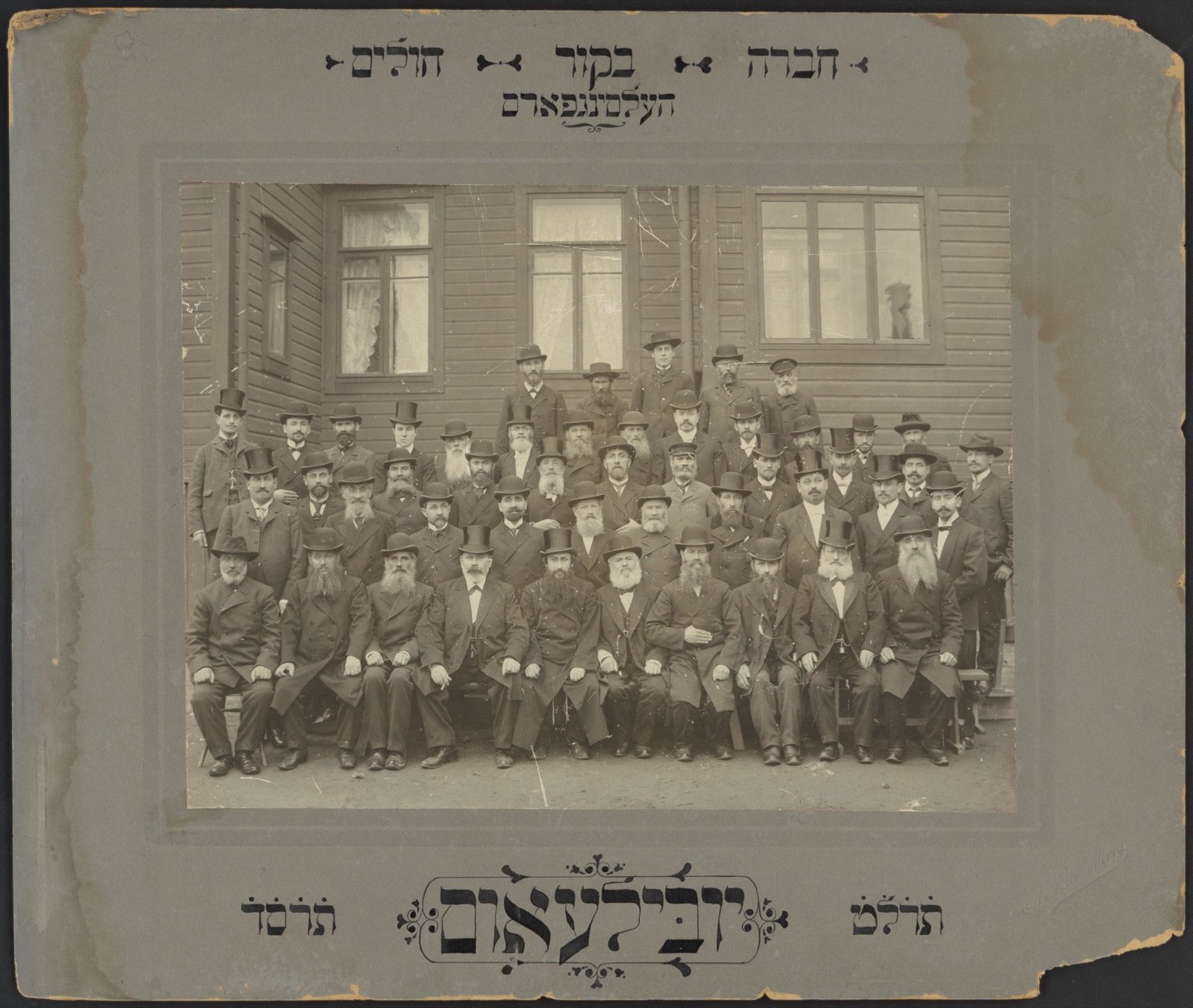
Helsinki and the whole Finnish Jewish community's history unfolds as a two-hundred-year story of Jewish life, culture and taking root in our country. The early phases of the community are closely intertwined with the history of the Russian Jews: the roots are there, and Finland was a part of the Russian Empire for over a century. When Finland became independent in 1917 and the Jews gained civil rights, the community's course diverged decisively from the fate of the Russian Jews — especially in the persecutions of the Second World War, which shaped the futures of the two communities in very different ways. The texts in this exhibition section illuminate these different phases of history right up to the present day.
1827–1858
Cantonists
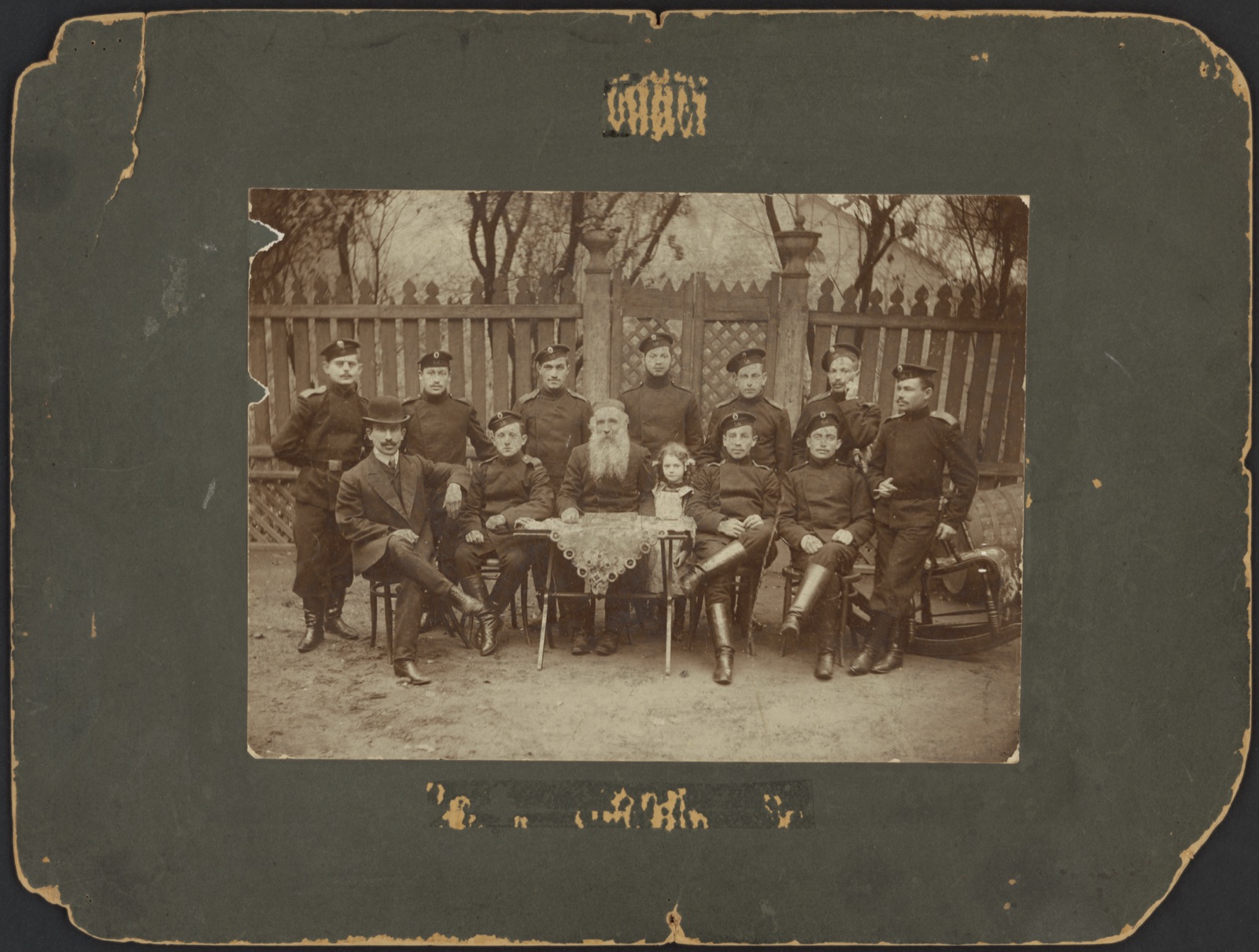
In 1827, a law on the military conscription of Jews was enacted in Russia, laying the foundation for the emergence of a Jewish community in Finland. Some of the soldiers were recruited while still minors, and these so-called Cantonists, once released from their long service, took part in founding the Jewish community of Helsinki in 1858.
Cantonists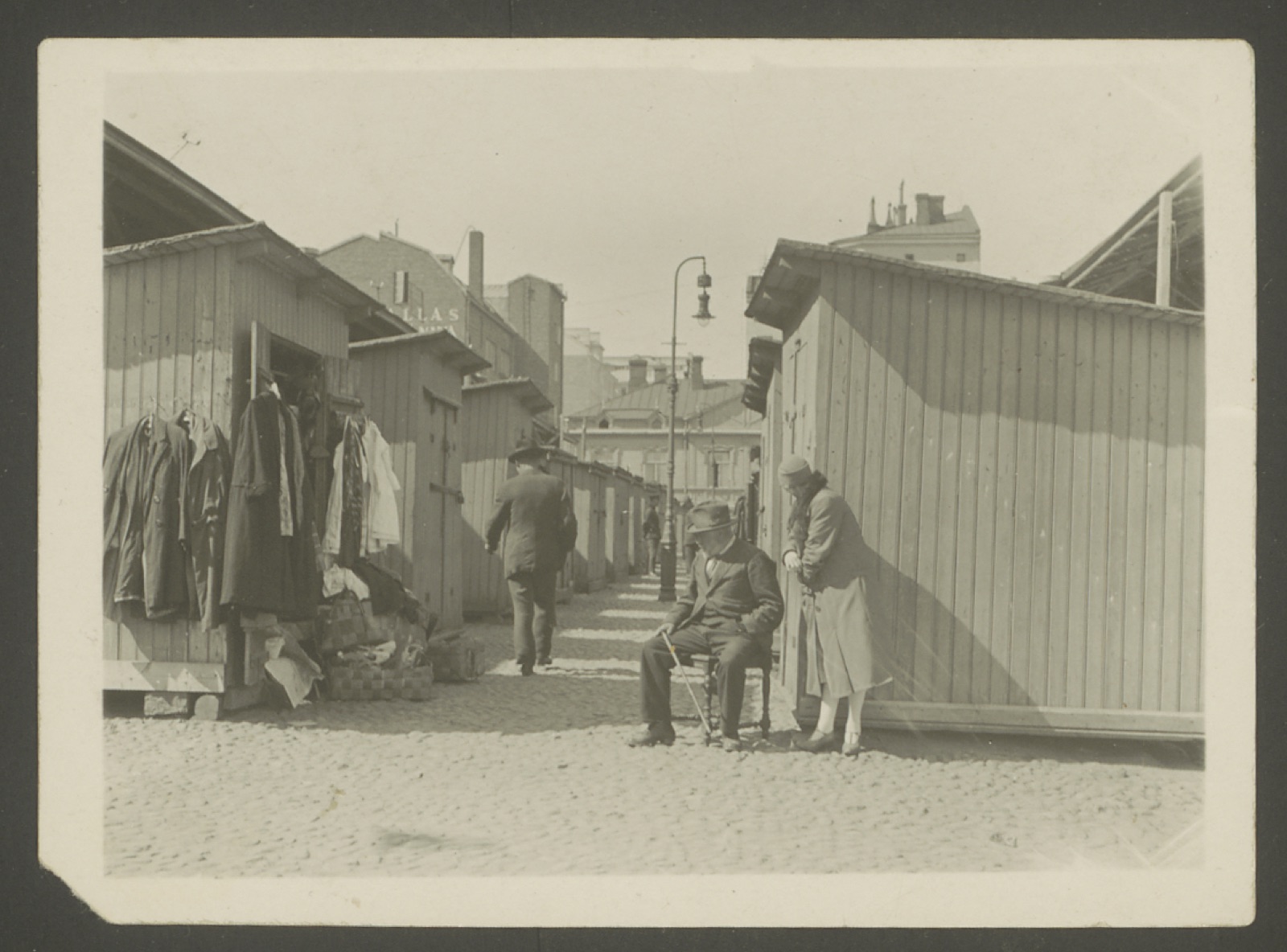
1870–1917
Civil rights
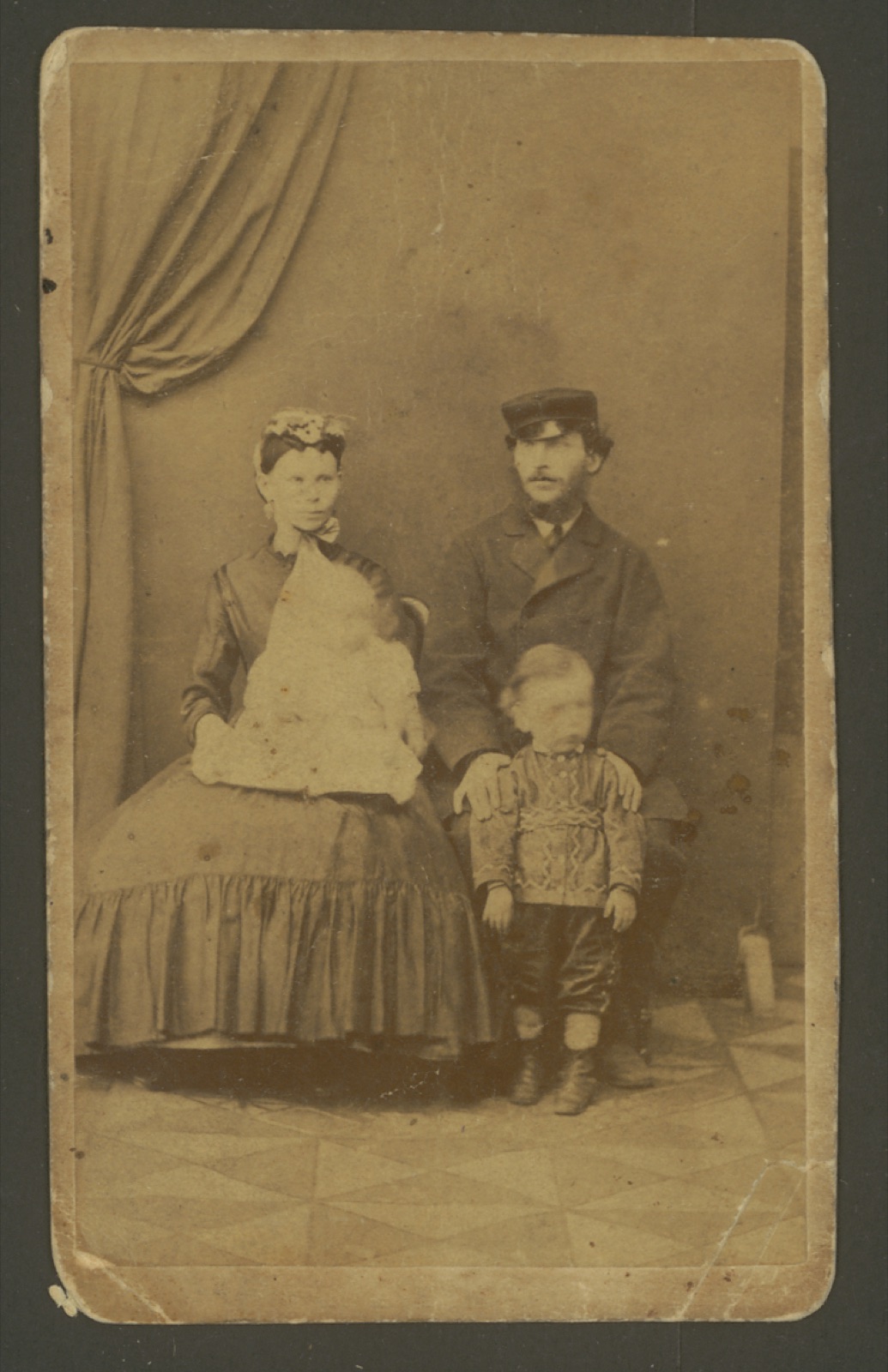
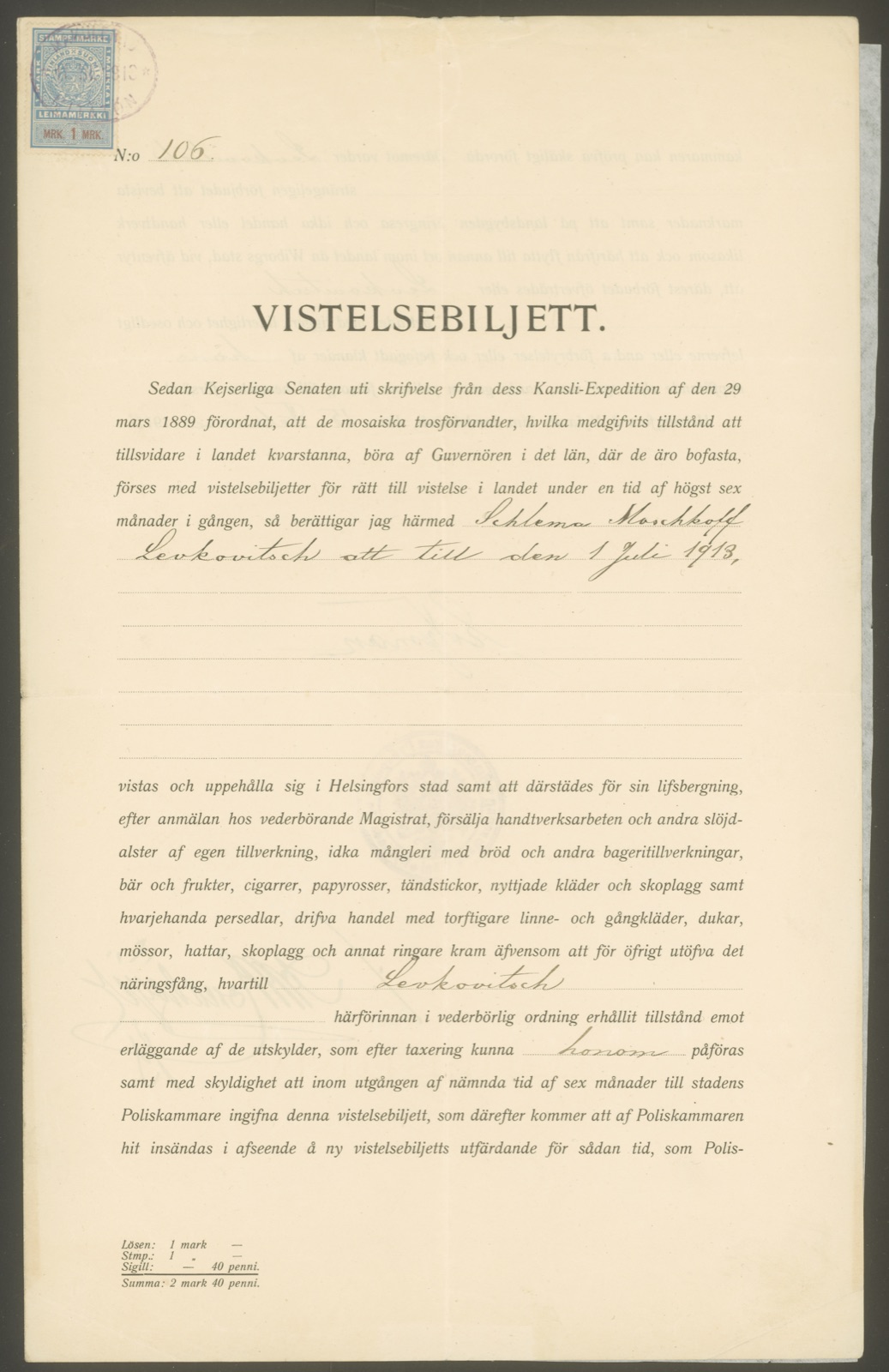
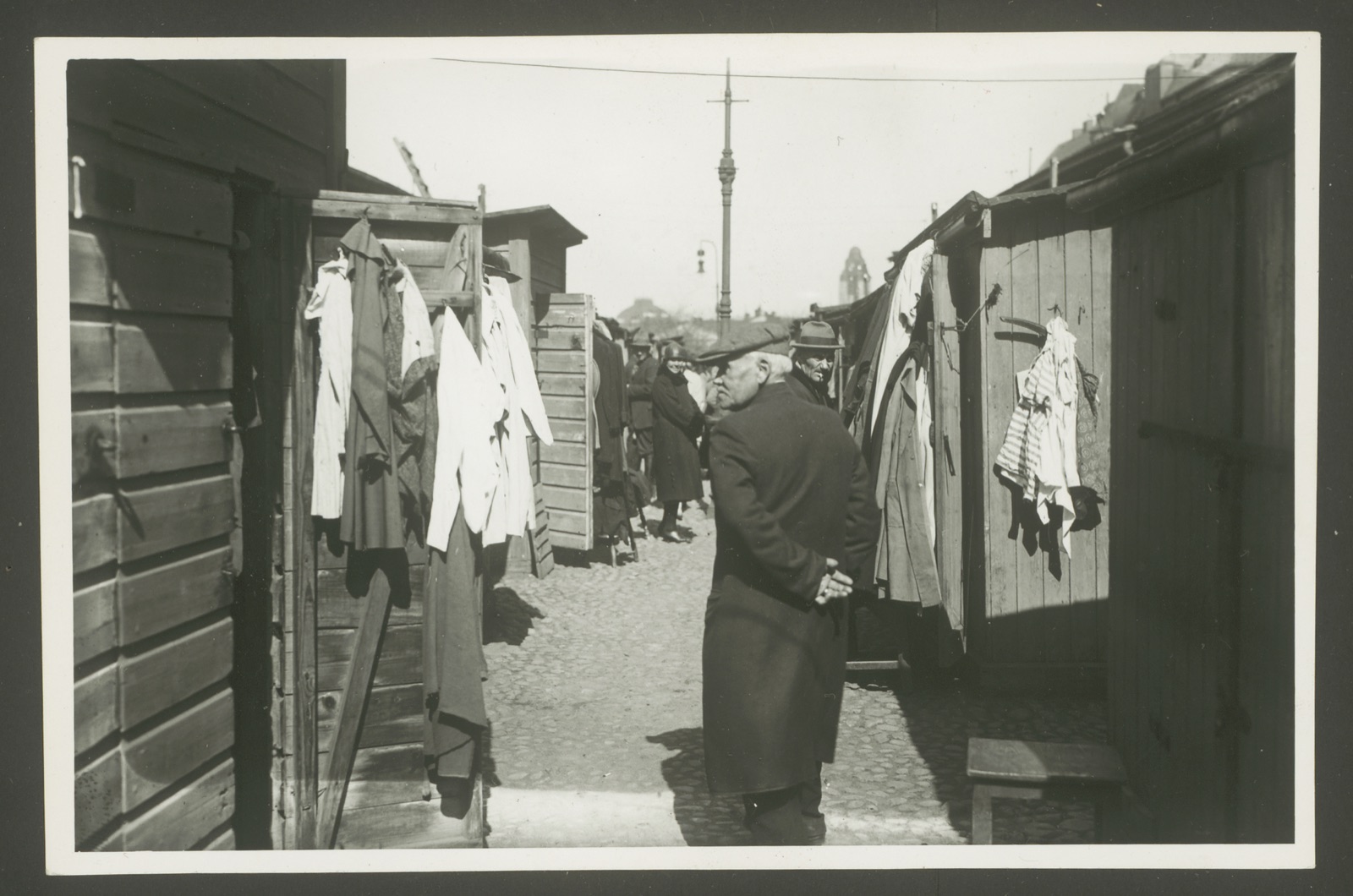
The Jews remained subjects of Russia, and the decades-long struggle for their civil rights began in the 1870s. The Jews were in many respects without rights, their livelihoods were restricted, and in the 1880s and the early 1900s, in the wake of the Russian persecutions of Jews, many were expelled back to their native regions and some decided to emigrate to America.
Civil rights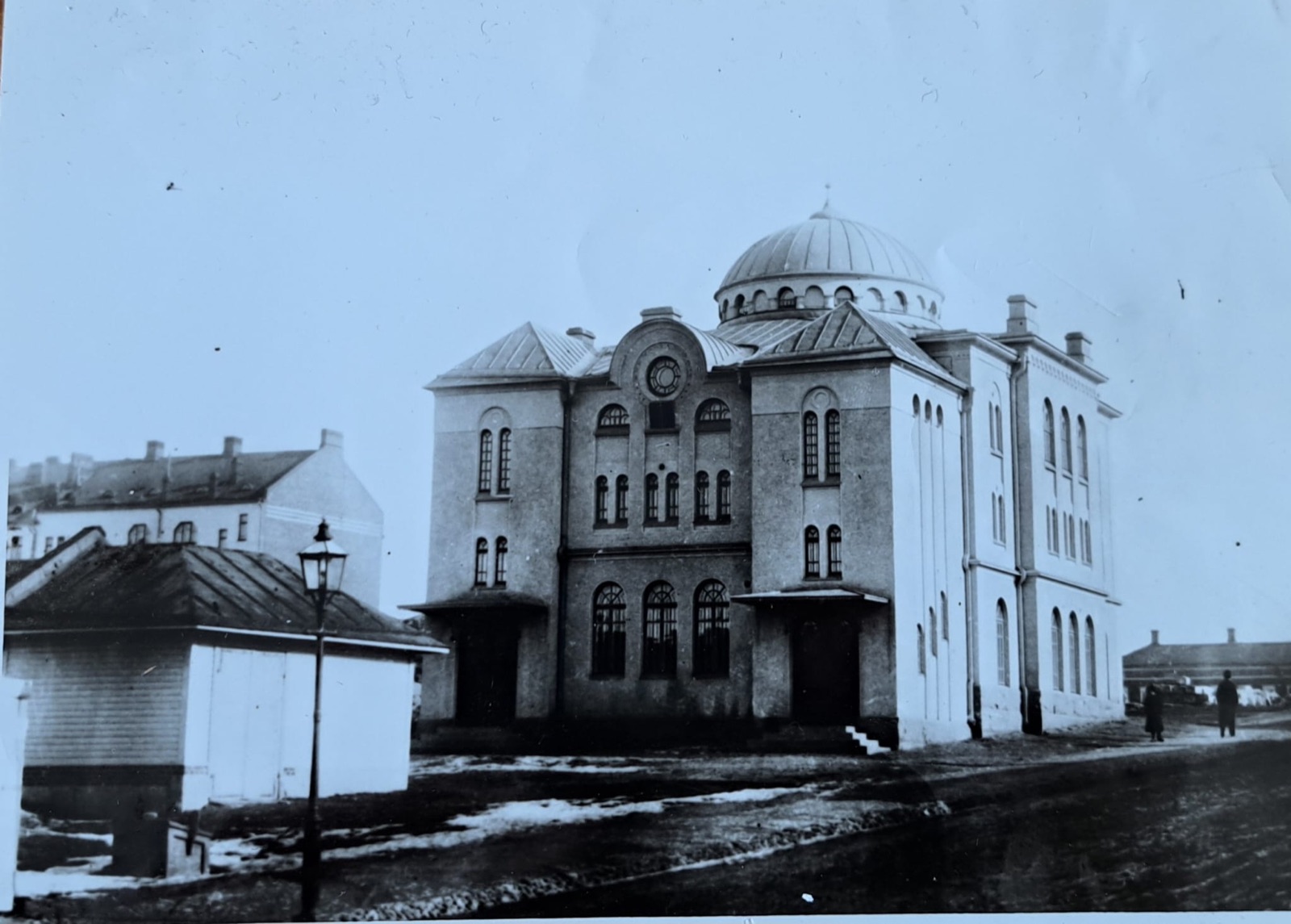
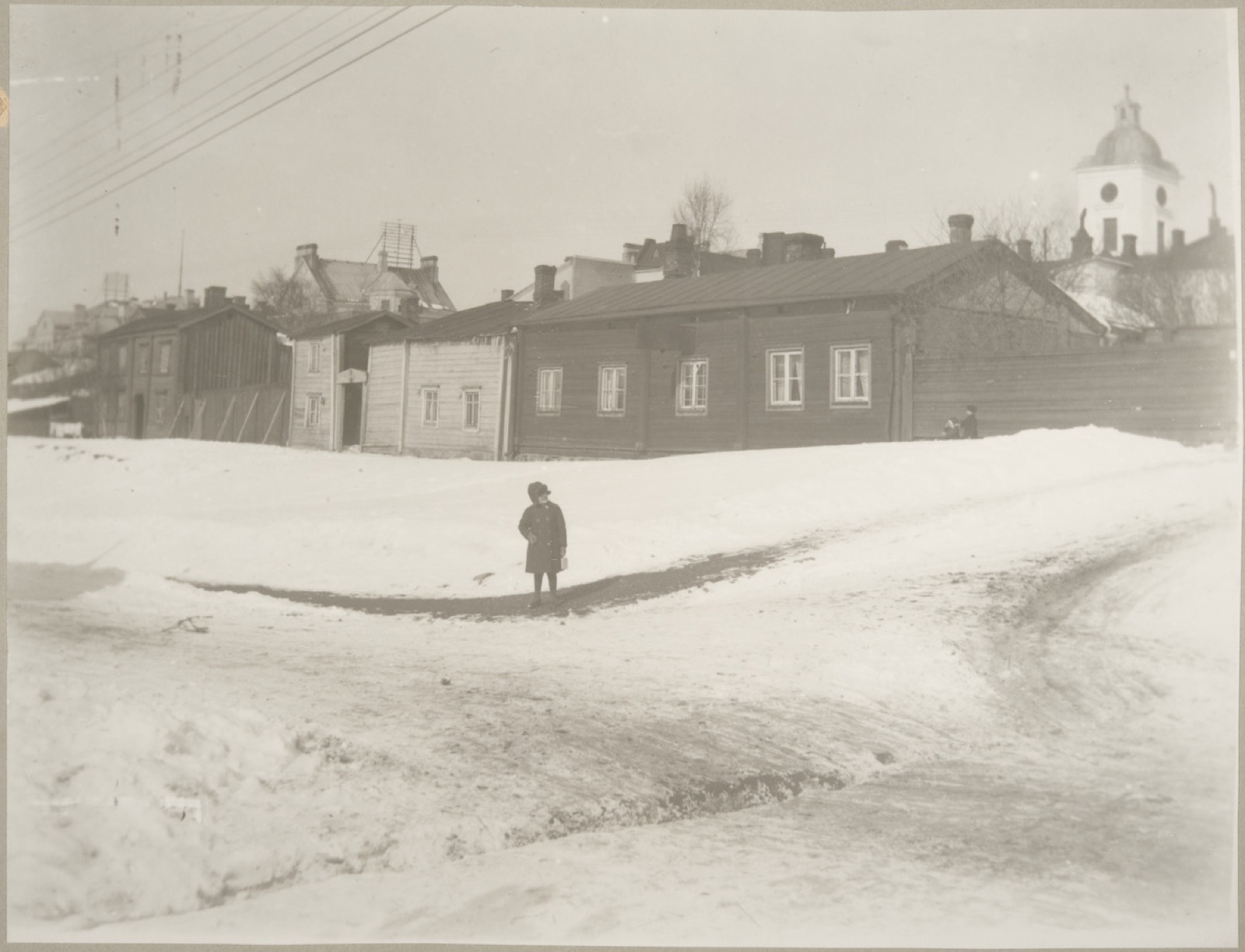
Late 19th century
Communities elsewhere in Finland too
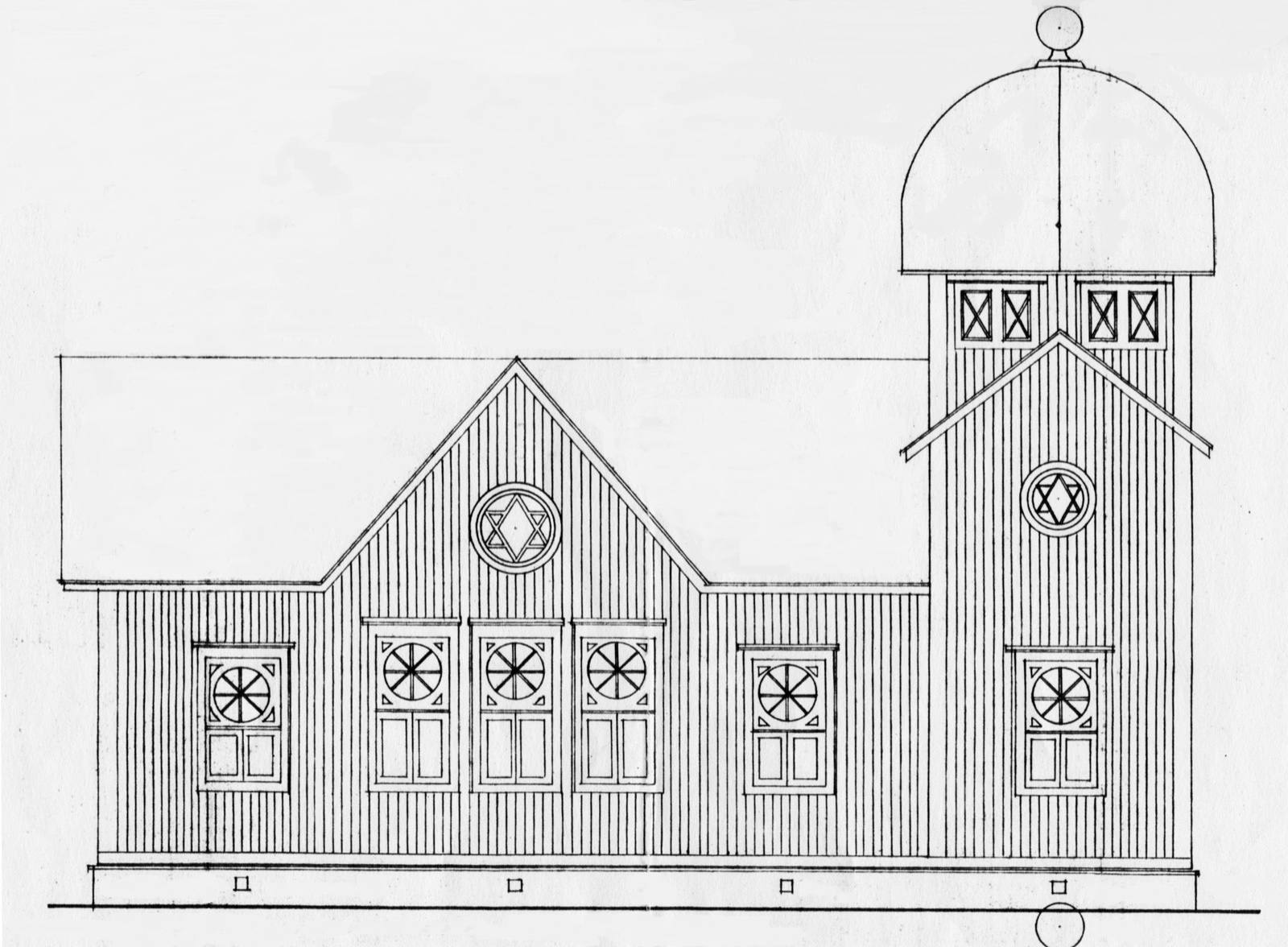
Alongside the Helsinki Jewish community, small but vibrant communities also emerged in the latter half of the 19th century in Hämeenlinna, Turku and Viipuri (present-day Vyborg, Russia). The Hämeenlinna community proved short-lived in the end, as its members gradually moved to larger cities. The Viipuri community, by contrast, flourished right up to the Second World War, until the city became part of the Karelia ceded to the Soviet Union and the community was scattered by necessity. Many of them settled in Tampere, where a new community arose.
1939–1945
The Second World War
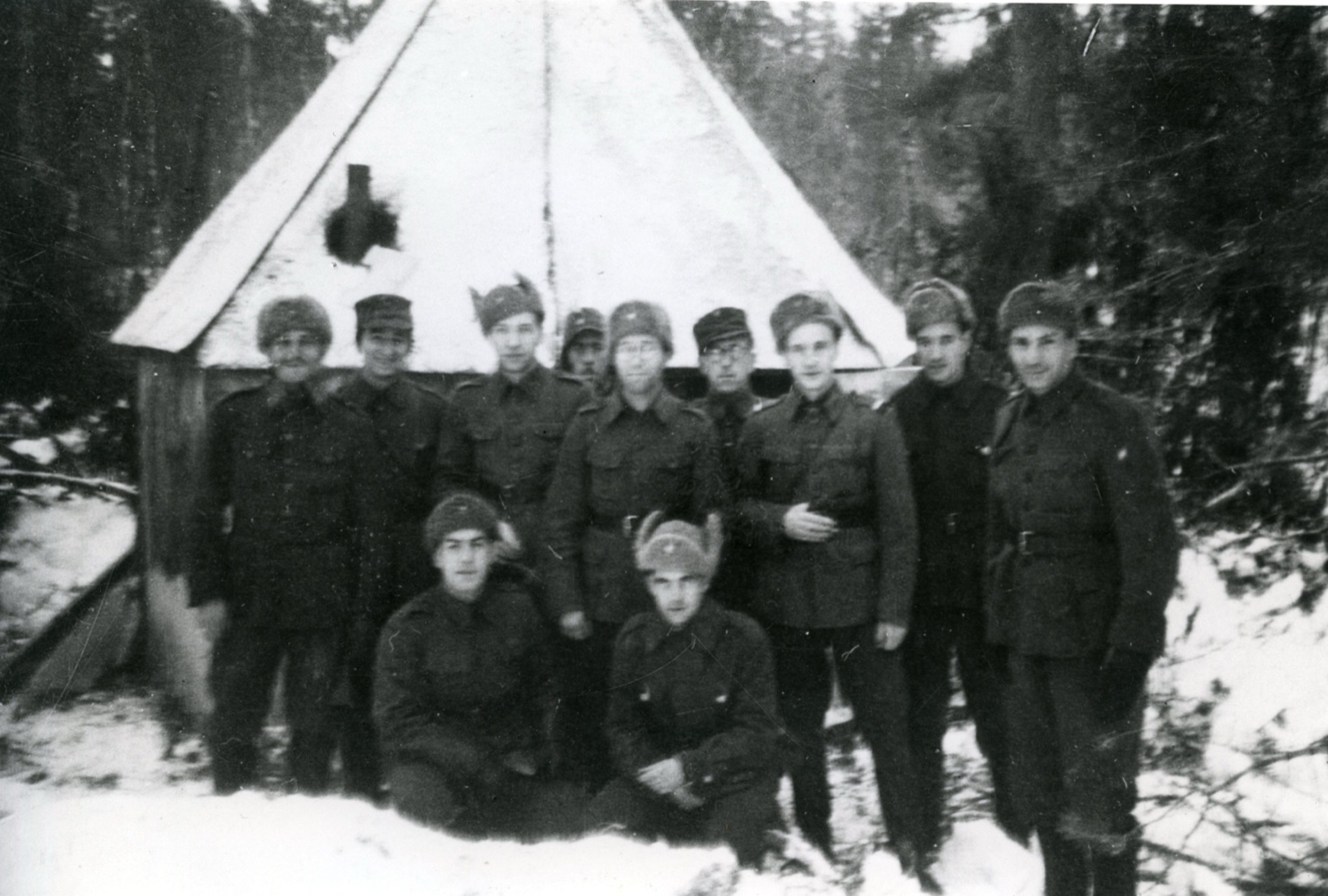
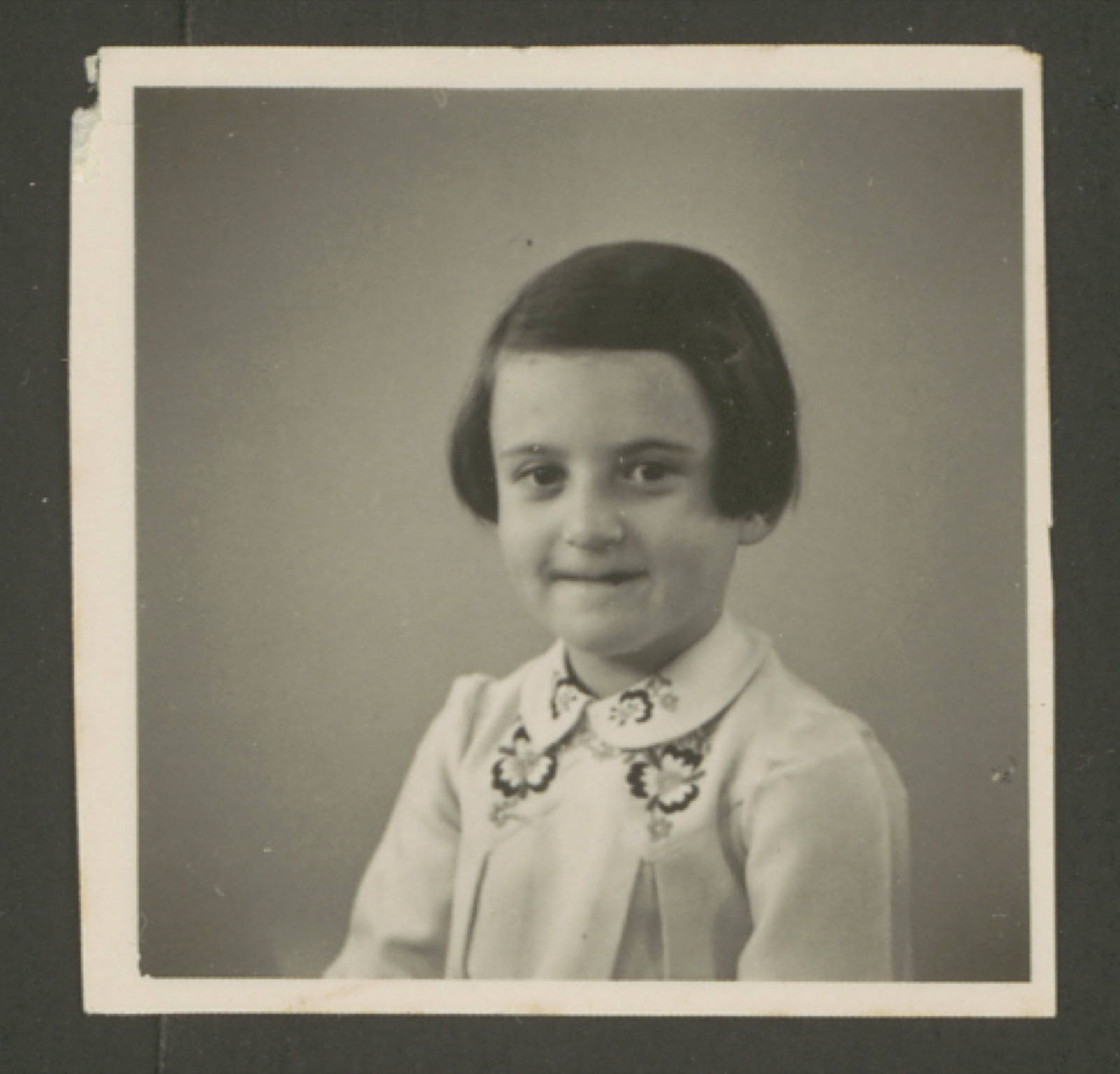
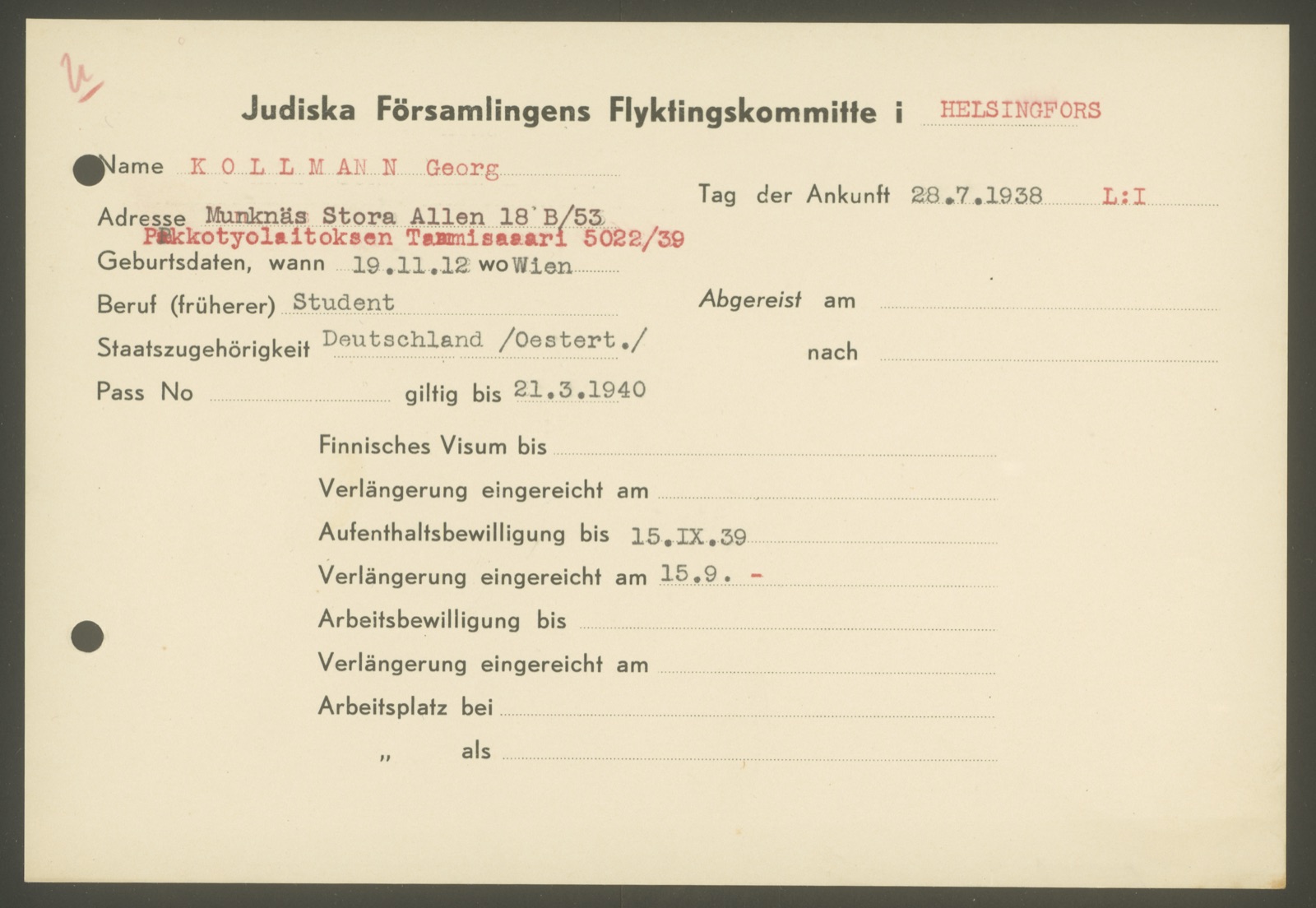
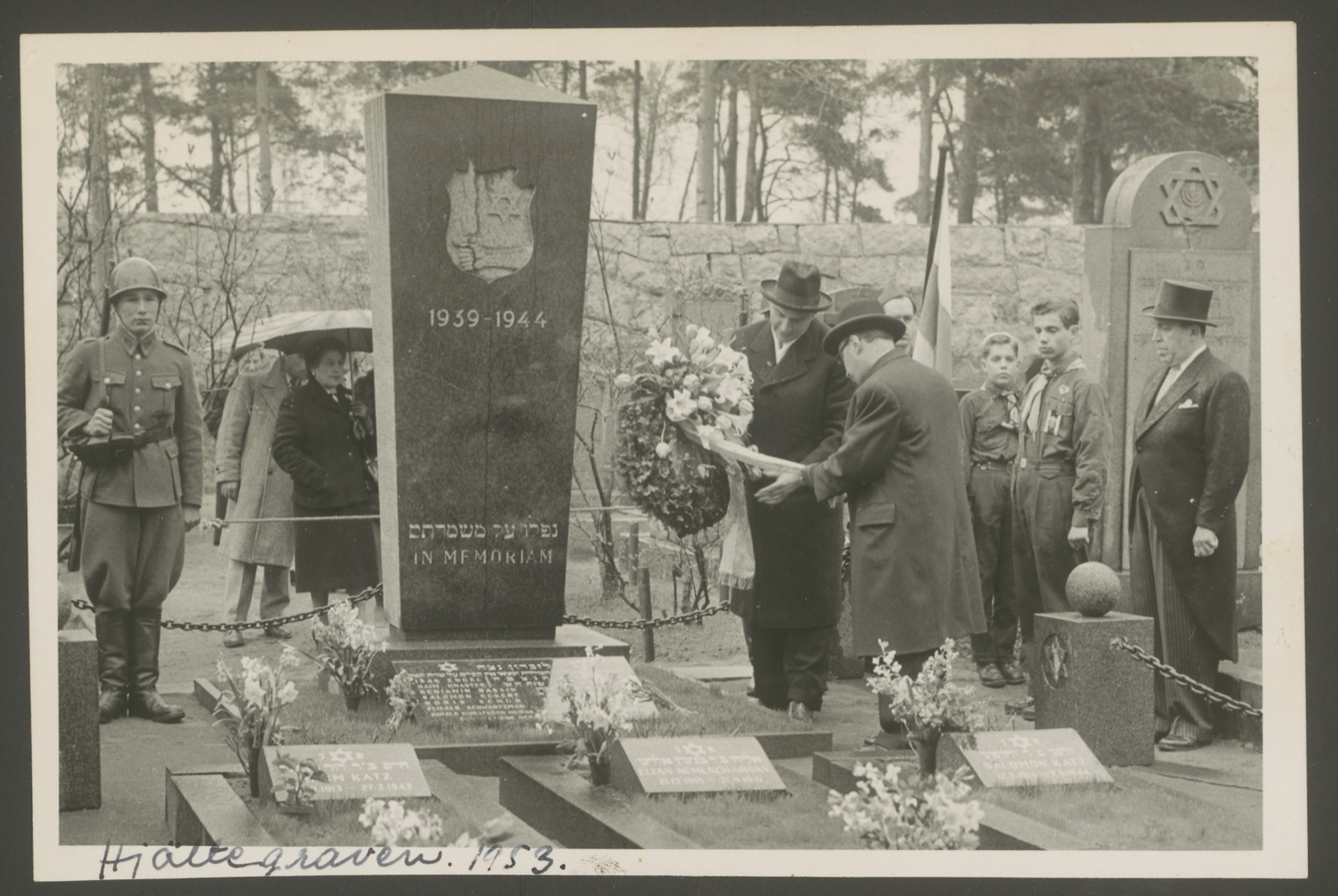
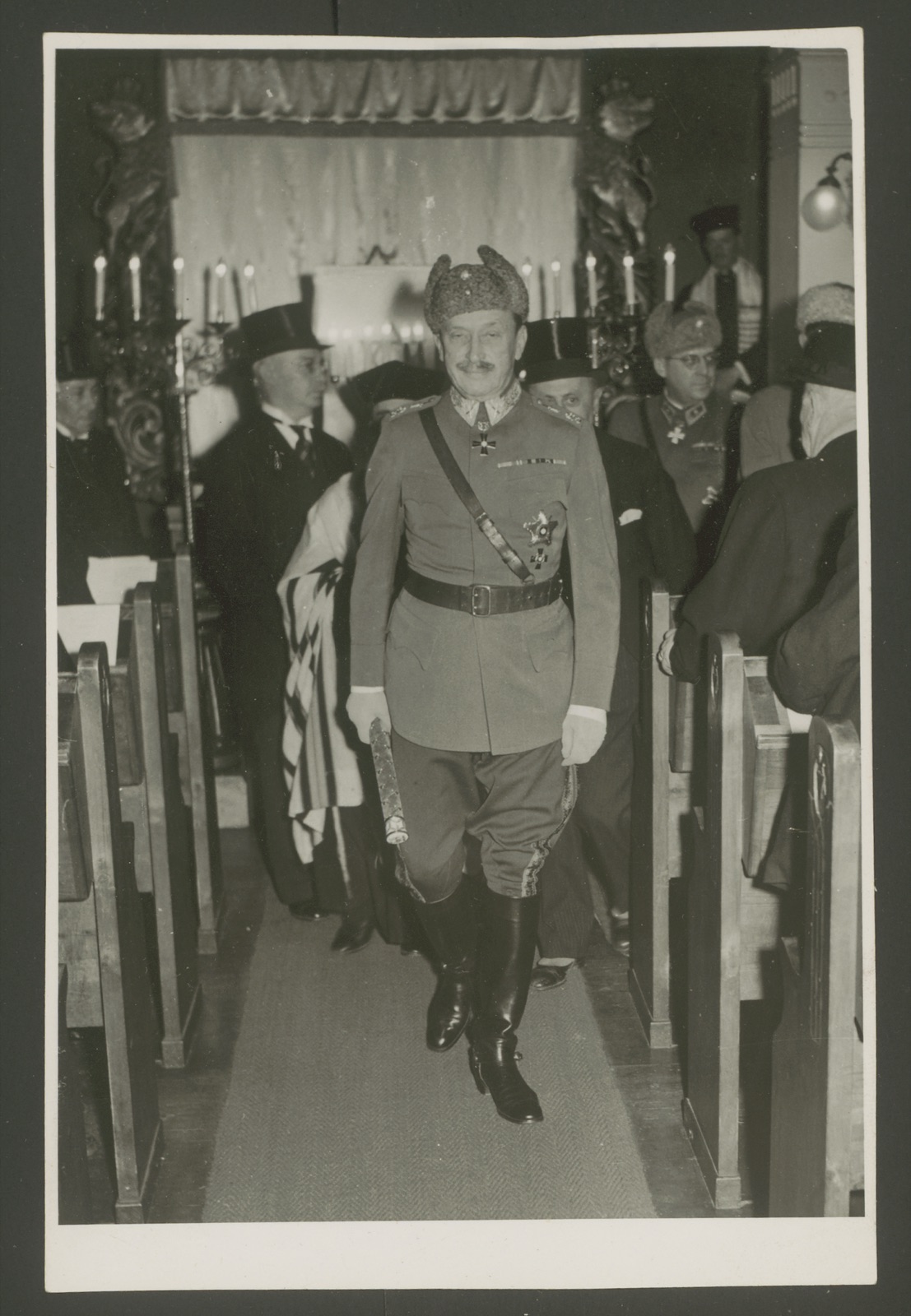
The history of the Second World War in Finland differs greatly from the experiences of other European Jewish communities, and is in many respects unique. As Finnish citizens, the Jews fought alongside others for their native country. When Finland allied itself in practice with Nazi Germany in 1941, the Jews became brothers-in-arms with their worst enemies. In 1942, eight Jewish refugees were handed over from Finland to Germany. Finland did not, however, hand over its Jewish citizens, and unlike most of Europe's Jewish communities the Finnish Jewish community survived.
1945–1980s
The Cold War and reconstruction
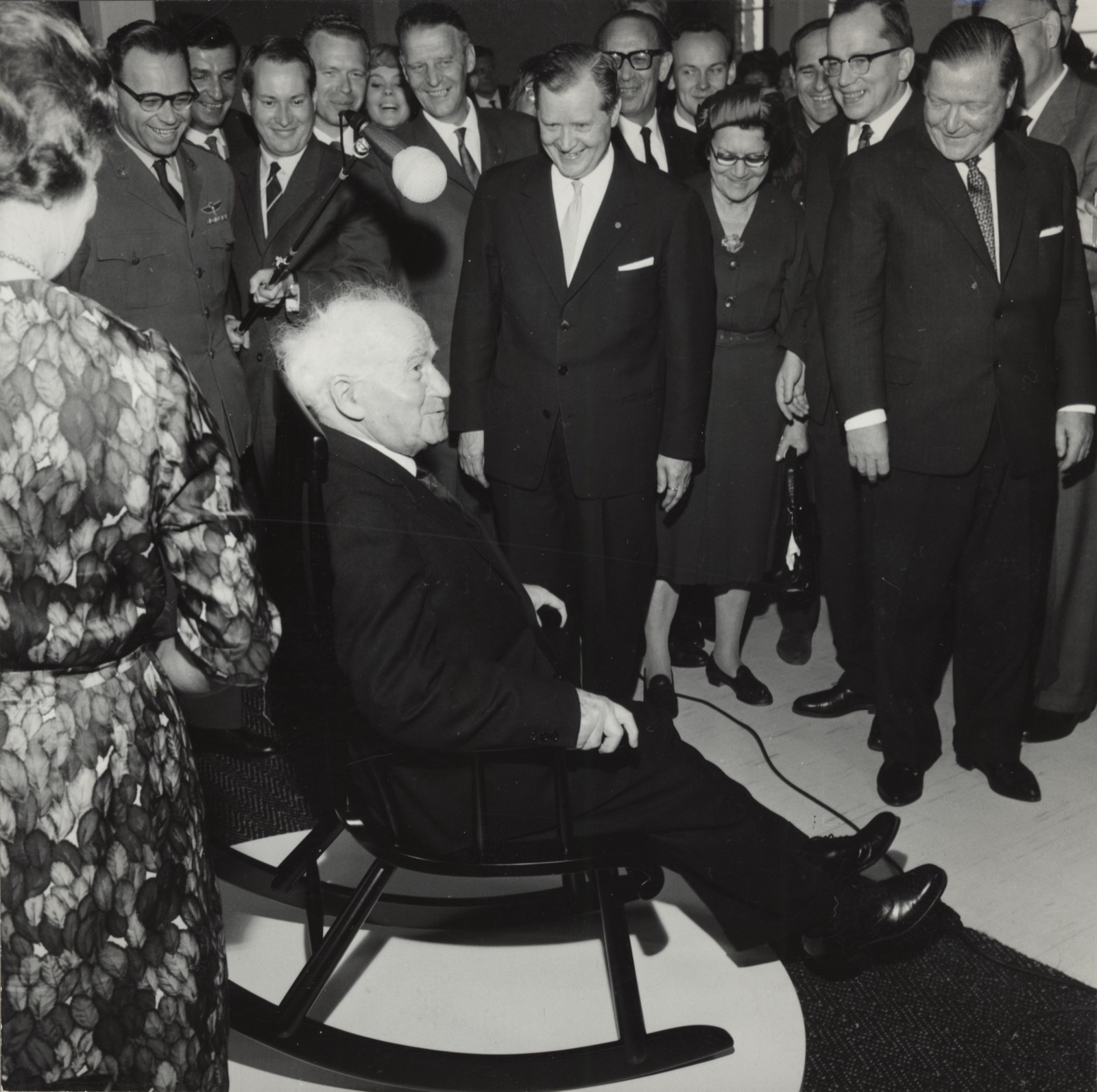
During the Cold War, the Jewish community adhered strictly to the country's Eastern policy. Hence, it was not fitting to speak about many subjects, such as antisemitism and the treatment of Jewish refugees. The independence of Israel had a great impact on the community's life and culture. Many young people decided to move to Israel.
The Cold War and reconstruction1990 →
Change and diversity
The composition of the Jewish community began to change towards the end of the Cold War. After the collapse of the Soviet Union, thousands of Russian Jews passed through the country, and some of them settled here. Families also moved to Finland from Israel. People who have converted to Judaism have also joined the communities. Today the community is very diverse in its backgrounds and languages.
Up to the present day — and onward.