School
Helsingin juutalainen yhteiskoulu (Jewish school of Helsinki)
Helsingin juutalainen yhteiskoulu (Jewish school of Helsinki) is Finland's only Jewish school and one of the most central institutions of the Helsinki Jewish community. For over a hundred years, the school has provided general education while also passing on Finnish-Jewish identity from one generation to the next.
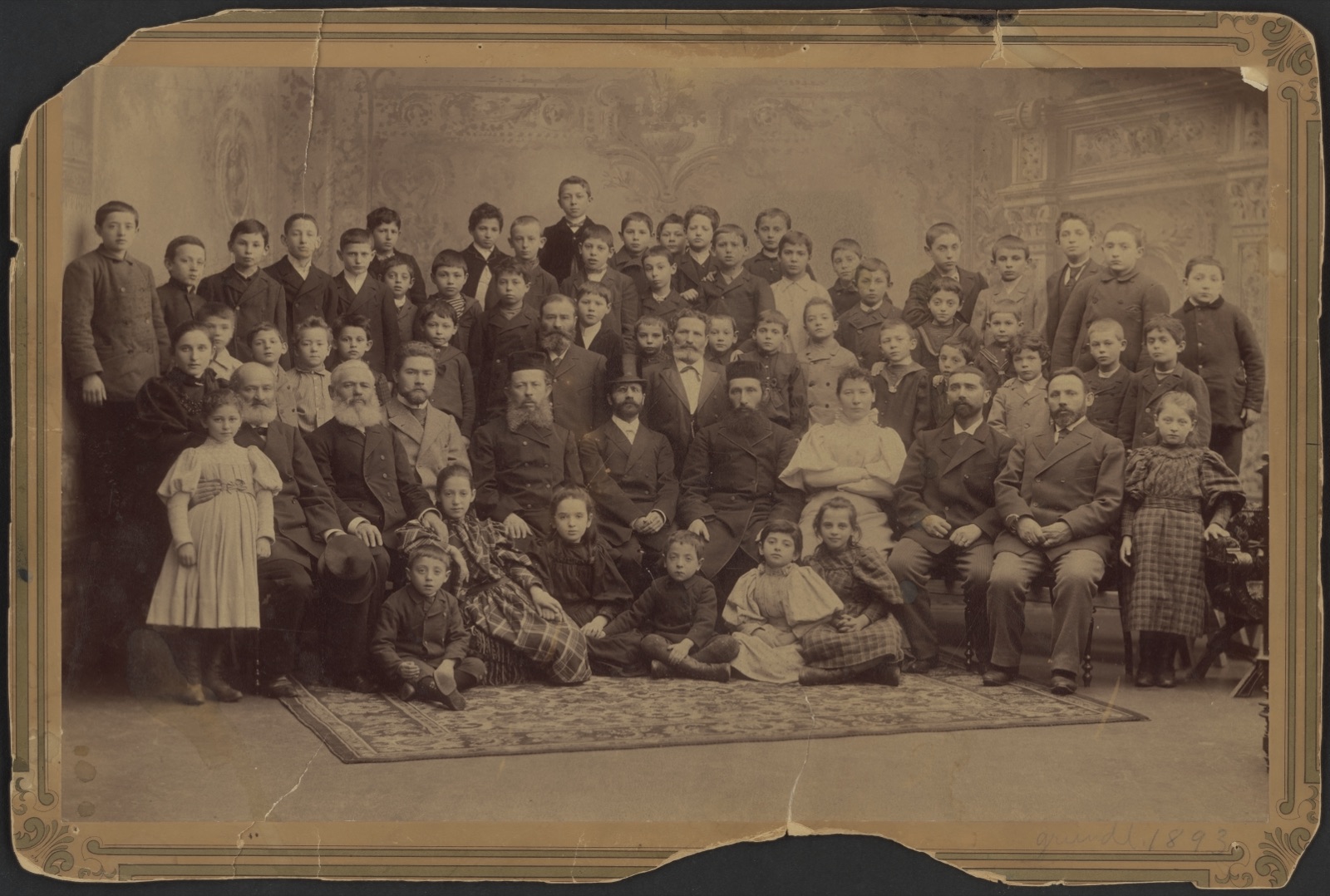
Historical roots
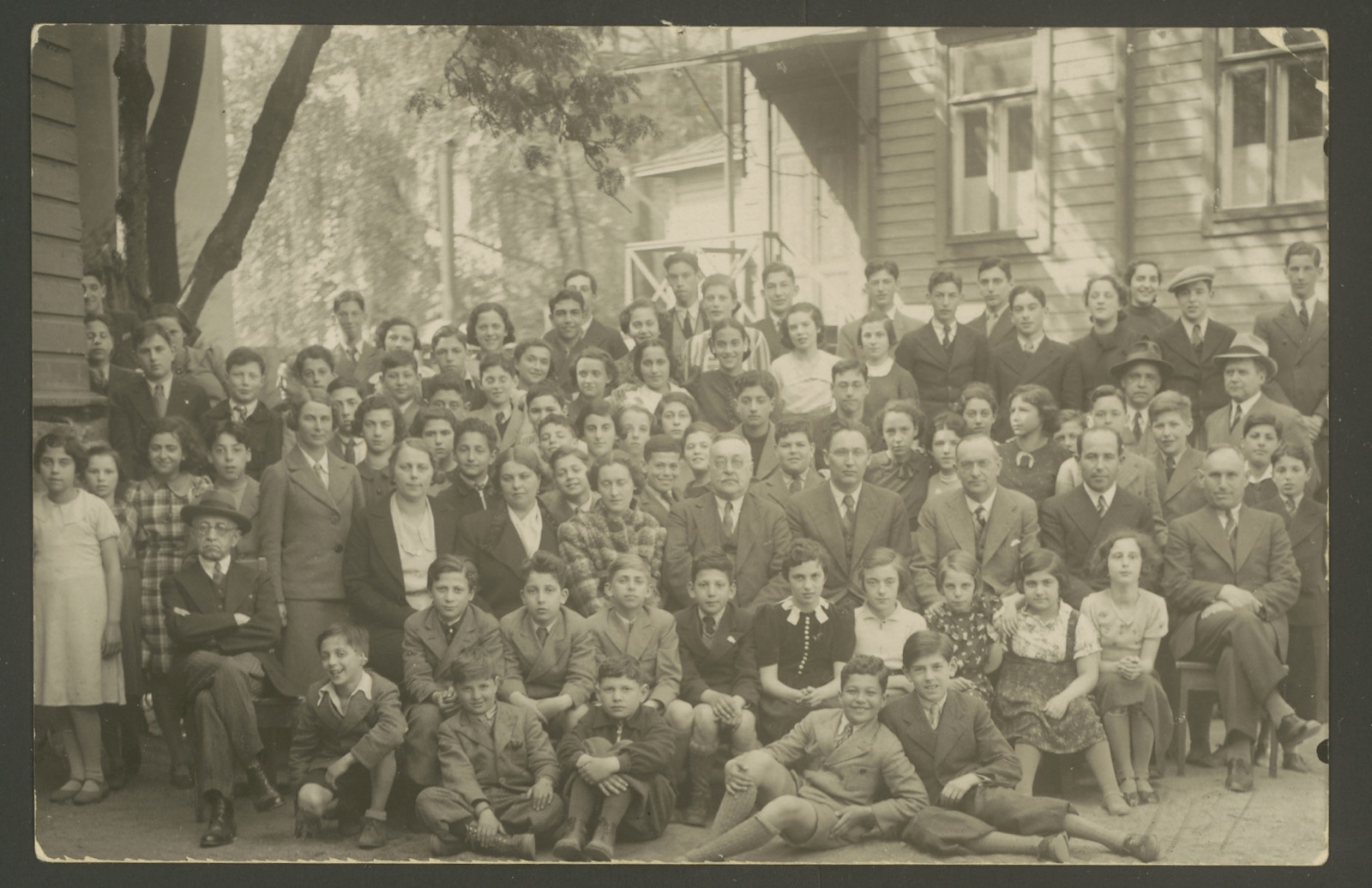
The school was founded in 1918 under the name Judiska Samskolan i Helsingfors. At first, it operated as a two-grade preparatory school until 1923. The school expanded into a nine-grade co-educational school in 1924. That same year, the school, which had begun its operation in the basement of the synagogue on Malminkatu, moved to its own premises on Ruoholahdenkatu.
The school's founding purpose was to guarantee Jewish children both Jewish education and general education under one roof. At that time, Jewish children attended other schools, and their knowledge of Judaism was not always sufficient. Having their own school made it possible for Jewish upbringing, learning the Hebrew language, and studying general subjects to occur side by side.
Development over the decades
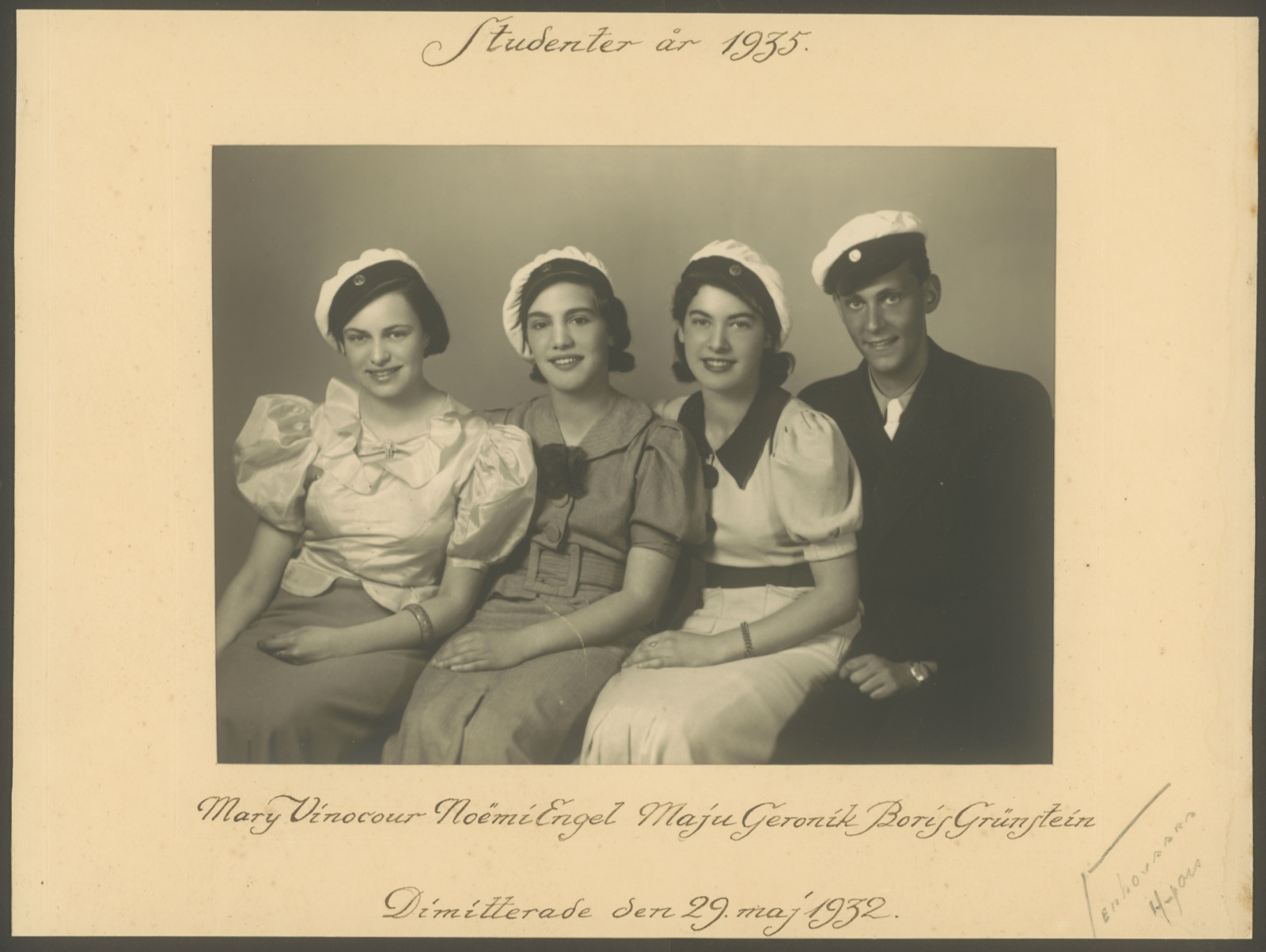
From its founding until 1933, the school's language of instruction was Swedish. The change to Finnish was carried out gradually over nine years, so that each new starting class adopted Finnish as its language of instruction. The whole school was Finnish-speaking from 1941 onwards.
The school returned to a new school building on Malminkatu in 1962. With the comprehensive school reform, the school's name was shortened to the Jewish School in 1977. The old, traditional name Helsingin juutalainen yhteiskoulu was officially reinstated in 2011.
The number of pupils has varied considerably over the years. At its largest, during the post-war generations, the school had almost 170 pupils, and at its smallest, in the 1970s, slightly under 40. Nowadays, the school has around a hundred pupils, but the exact amount varies from year to year.
Although the comprehensive school reform brought all Finnish children equal access to general education, the school's role in conveying Jewish identity and knowledge of Judaism has only grown more prominent over the years. Today, precisely this task — safeguarding Jewish upbringing — is the main reason why many families choose the Jewish school for their children.
Today
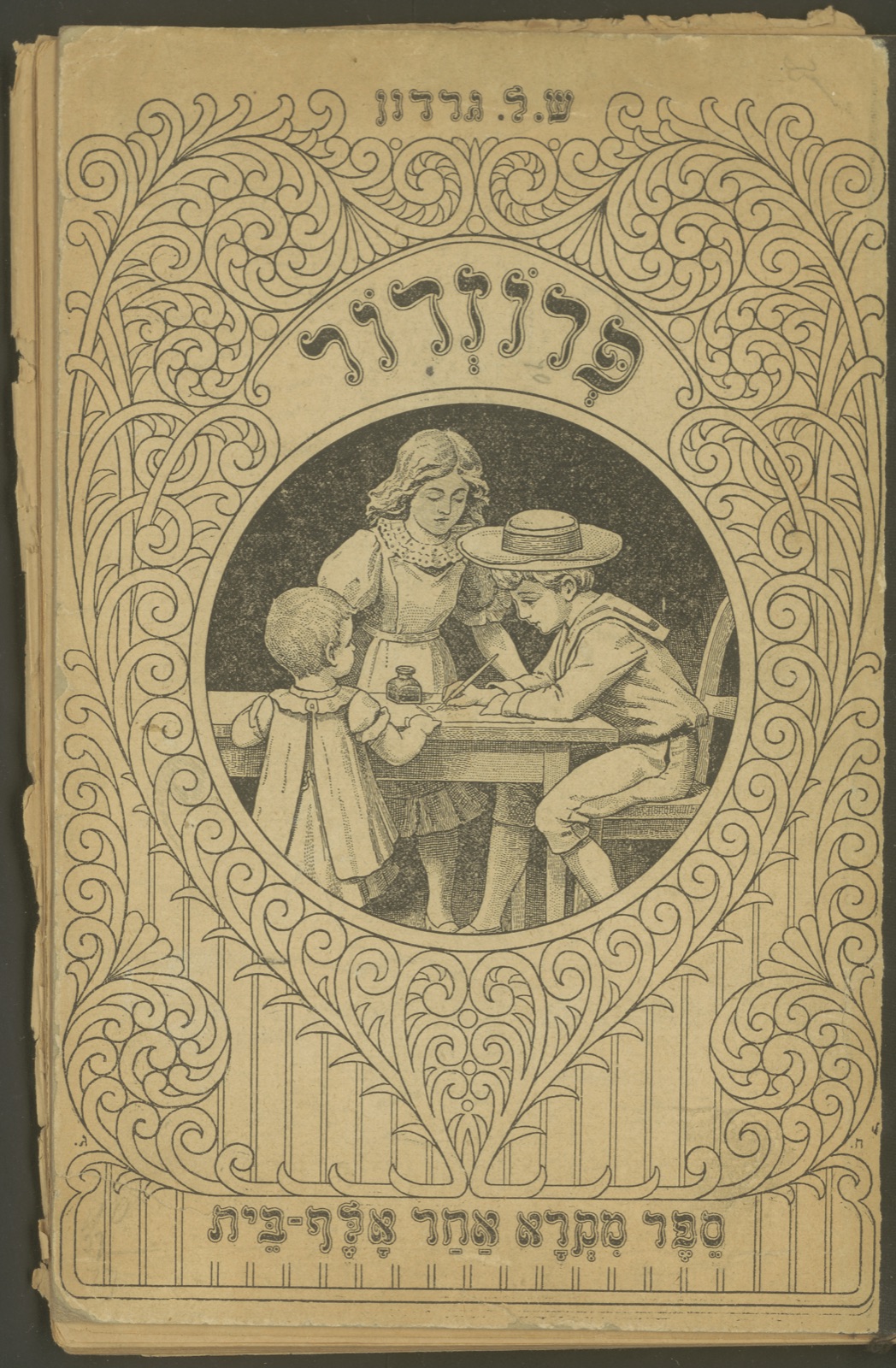
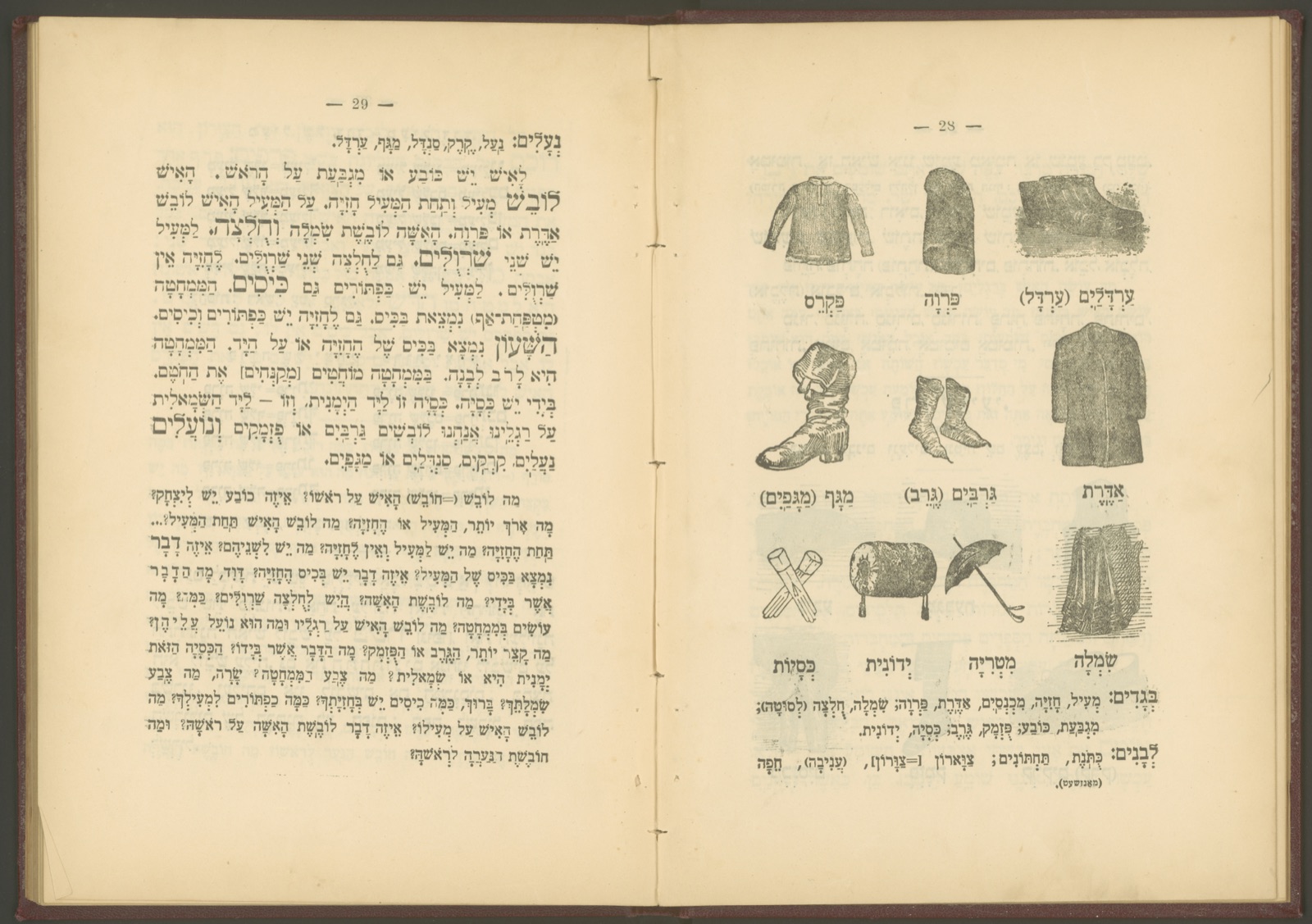
The school follows the National Core Curriculum set by the Finnish National Agency for Education and also provides instruction in Jewish subjects. Religious education covers the Jewish religion, and history studies include Jewish history alongside general history and the history of Finland. Hebrew is studied from the first grade onwards. Judaism is also reflected in the teaching of many other subjects, including geography, Finnish, music, visual arts, and crafts.
The school has as many working days as other Finnish schools, but in addition to Finnish holidays, pupils also have days off during Jewish holidays. These include Rosh Hashanah, Yom Kippur, Sukkot, Pesach, and Shavuot.
In addition, the school celebrates Jewish-themed theme days and organises study trips to Jewish sites both in Finland and abroad, as far as Israel.
The school's teaching staff consists of both Jewish and non-Jewish teachers, as well as other staff.
Images