Cities · Turku
The Turku Jewish Community
The Turku Jewish Community is Finland's second-oldest active Jewish community. Its story began in the mid-19th century, when soldiers discharged from the Russian army settled in the city, and it continues today as a small but living community that cares for its members' religious, cultural, and social life.

Historical roots
Jewish settlement became established in Turku in the mid-19th century. As elsewhere in Finland, the first Jews were soldiers discharged from the Russian army who were permitted to remain in the localities where they had served. Jewish settlement was at first concentrated in the local garrison area, near Turku Castle and Kakolanmäki. The first Jewish prayer house was located in Turku Castle in the 1860s, and it was shared with the Tatar Muslim soldiers.
Gradually the Jewish population grew, and in the 1880s the western part of the city became established as the Jews' residential area. The Jewish population at that time numbered about 200 people. In Turku, the trades practised by Jews and their housing were subject to the same restrictions as elsewhere in the country before independence. The Jews' market stalls — the local narinkka market, where they were allowed to carry on small-scale trade, mainly in second-hand clothes — were located in the area of present-day Puutori.
Most of the city's Jews spoke Yiddish as their mother tongue, a language that remained alive among the Jews of Turku well into the first decades of the 20th century. Later, Swedish became established as the main language, primarily, and subsequently Finnish as well.
Development over the decades
The organisation of the community
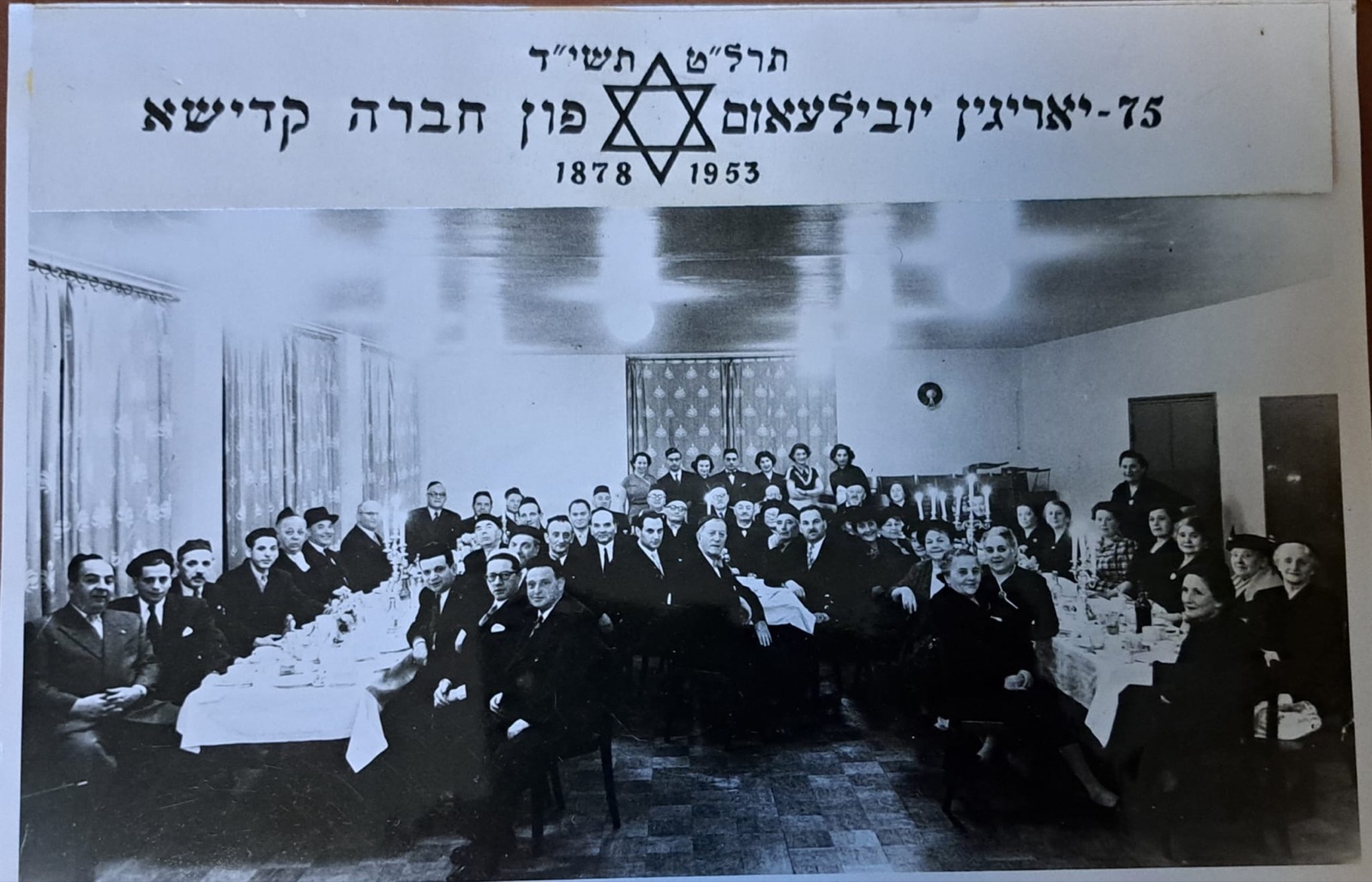
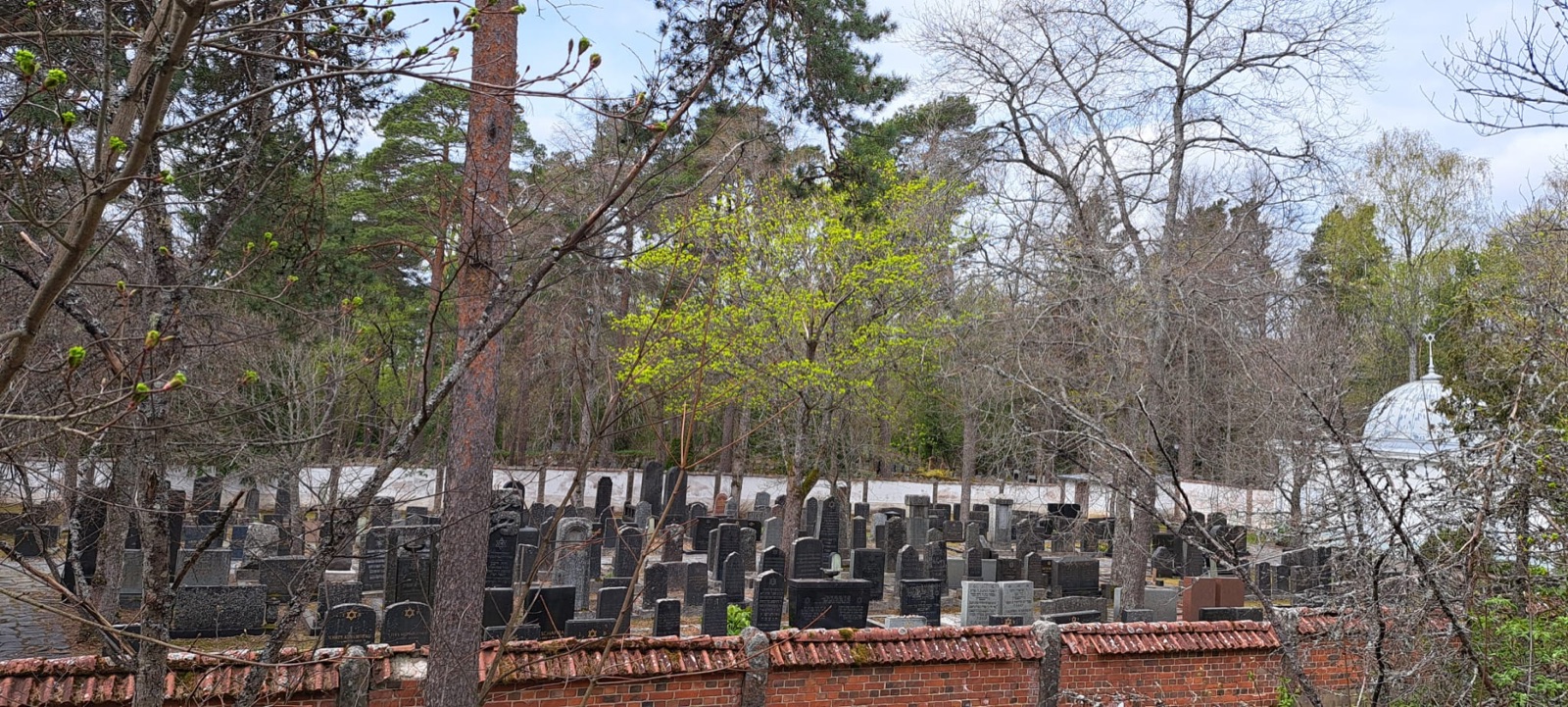
The community was closely knit, and families held fast to their religious traditions. The first prayer houses and school premises operated in rented apartments on Läntinen Pitkäkatu. The Jews obtained their own cemetery after the mid-19th century, and the burial society Chevra Kadisha was founded in Turku in 1878.
The building of the synagogue
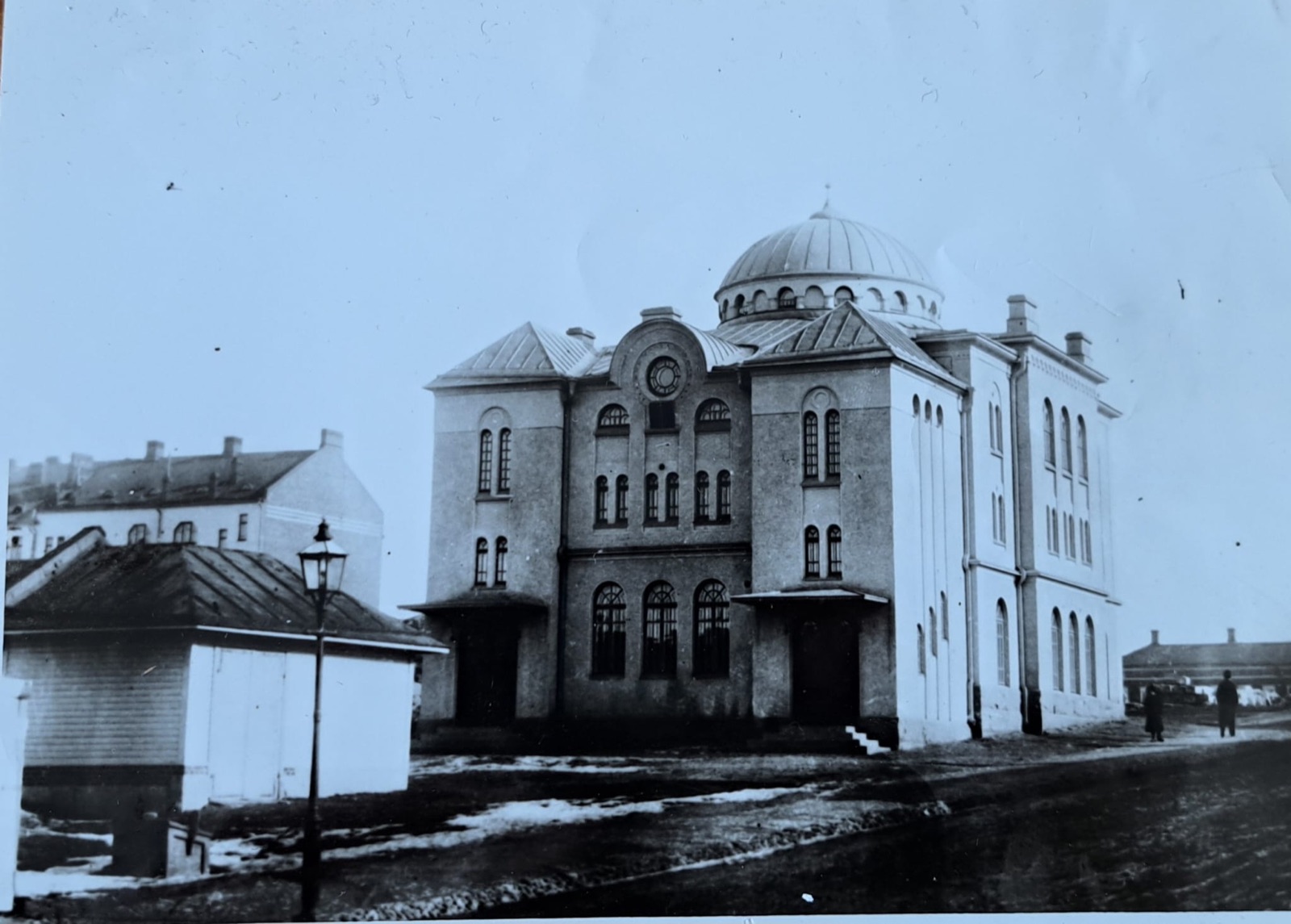
As the community grew in the early 20th century, the rented premises proved insufficient, and a dream of a synagogue building of their own arose. The Jews of Turku applied to the city for a plot for a synagogue. The land was received as a donation, but the funds for the building had to be raised by the community itself. Many took out personal loans, and funds were also actively collected from outside the community. Construction work could begin in 1910, and the synagogue was consecrated on 5 May 1912.
Association life and civil rights
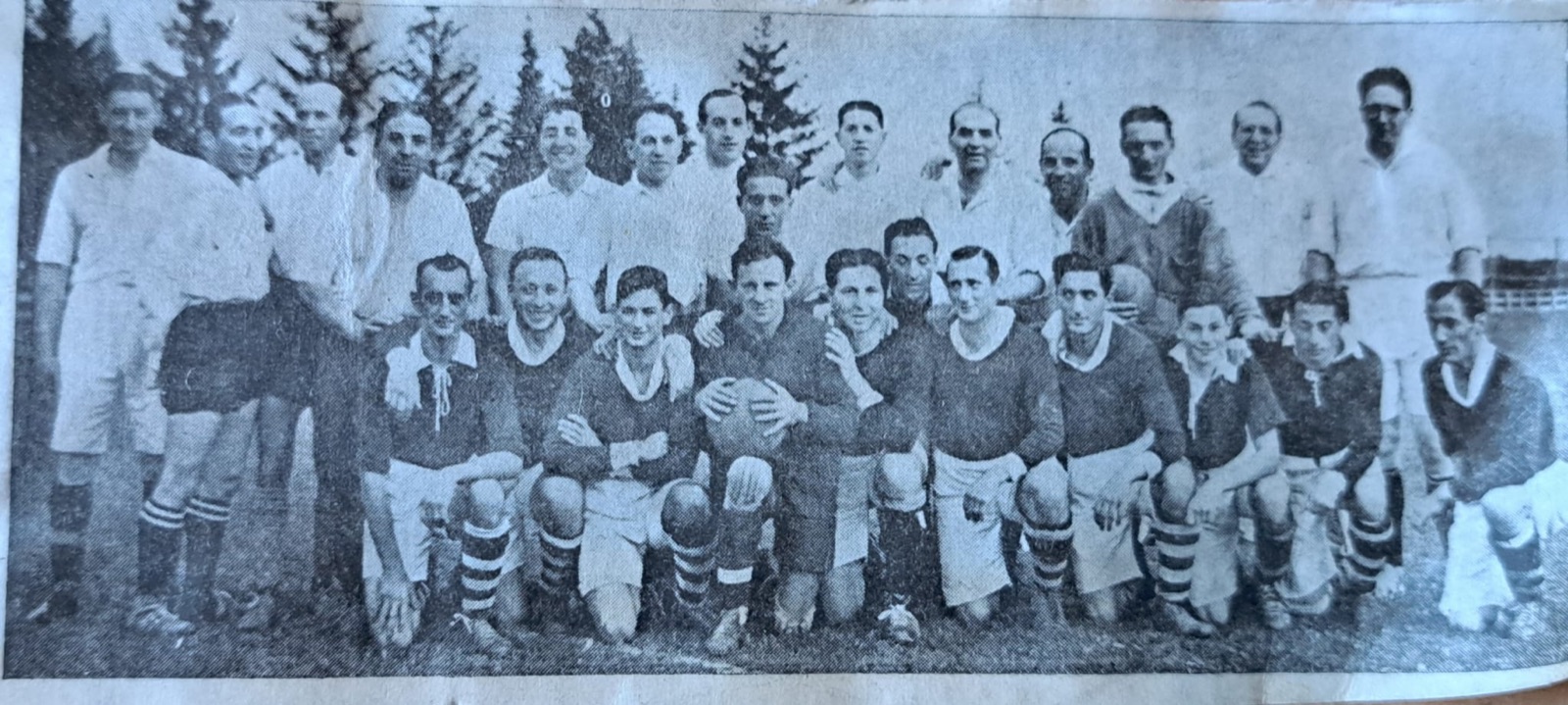
Before civil rights were granted — and even afterwards — the community saw to its members' religious and social needs. When the Jews were granted civil rights in 1918, life settled and offered greater opportunities to develop communal activity. Young people's opportunities for hobbies and study improved: the Jewish sports club Makkabé was founded in 1920 and the youth society Kadimah in 1931. Charity, which is an essential part of the Jewish way of life, was the task of several associations. Particularly active were the women's organisation Fruntimmersförening, founded in 1922, and alongside it the local Wizo association, founded in 1933.
Although Jews stood on an equal footing with other Finns before the law, they were subject to prejudices and antisemitic attitudes that affected many people's lives and their advancement in their careers. In Turku, too, many Jews worked in businesses they had founded themselves or found employment in businesses owned by other Jews, simply because they were not hired elsewhere.
The war years
On the eve of the Second World War, the Turku Jewish Community also did its part in caring for refugees who had come from Europe. In Finland's wars of 1939–1944, fifty soldiers from the Turku community served at the front. The women worked in the Lotta Svärd organisation, and the Fruntimmersförening sent relief parcels to the soldiers at the front. Many of the soldiers were separated from their close home community and their beloved home city for the first time. During the difficult years of the Continuation War, the front newspaper Front Karolina (1942–1944) was published, an important channel of communication and a source of cheer between the soldiers at the front and those at home.
The decades of flourishing and the building of the community house
After the wars, the activity of the Turku Jewish Community was lively, especially in the 1950s–1970s. At its height, the community had 350 members, and several associations upholding Jewish culture and religion were active within it. In 1956 a community house was built on the plot next to the synagogue, with premises for a day-care centre, teaching, the sports club and the associations.
The decline of the population
The community's membership declined from the 1970s onwards, as many younger members moved to Israel, Sweden, or Helsinki. The community house was demolished in 2017, after which religious and cultural activity has once again centred around the synagogue building.
The present day
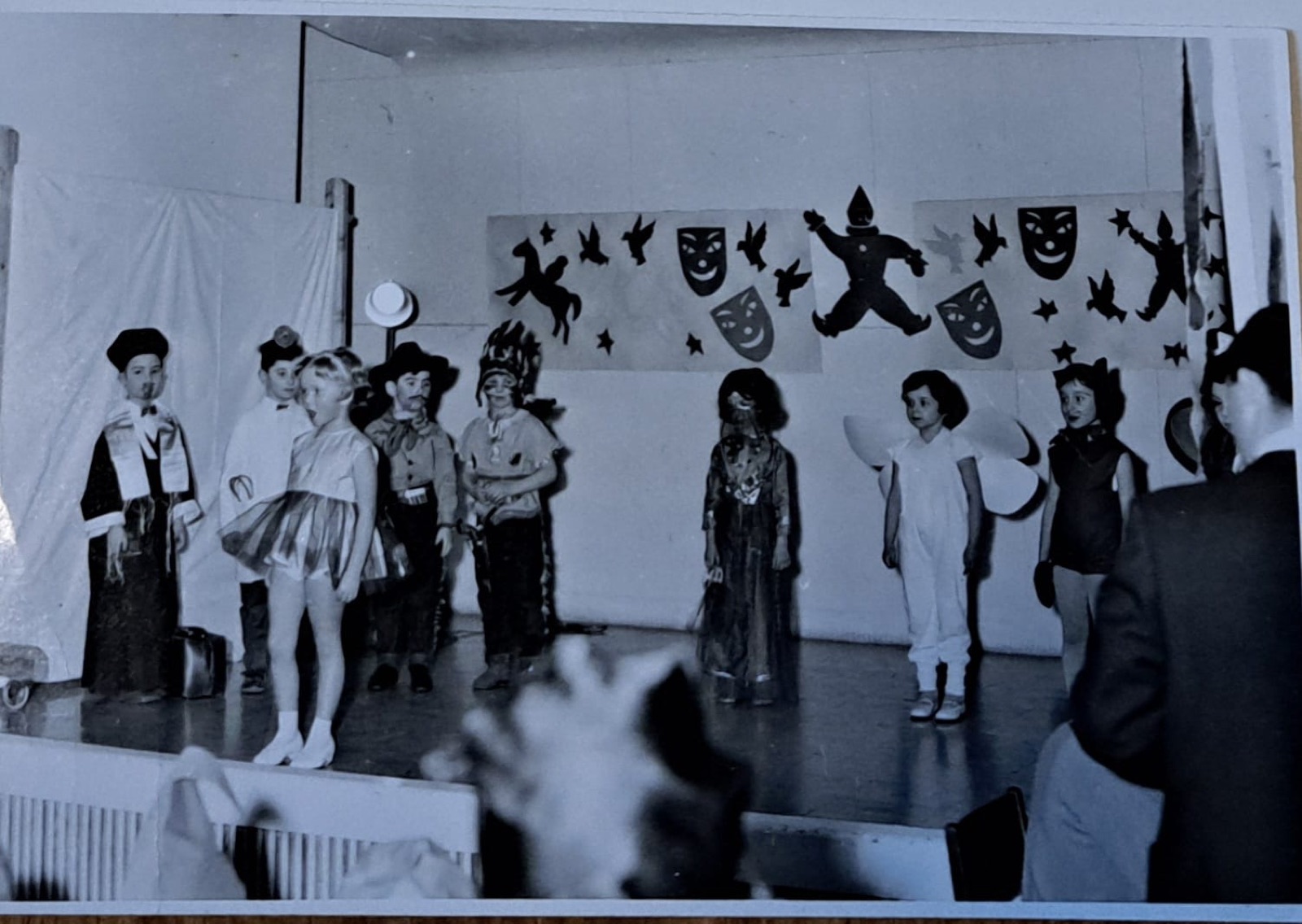
Today the Turku Jewish Community has 100 members. Community life has been revitalised, and the community continues to care for its members in all matters relating to the Jewish life cycle. Chevra Kadisha and the Wizo women's association remain an integral part of the community's activity. Religious and cultural life is vibrant. The services follow the Orthodox Jewish Lithuanian model, and on the major festivals one can still hear the community's own established prayer melodies, which are more than a hundred years old. The joyful Chanukah and Purim celebrations bring different generations together and strengthen the continuity of Jewish life.
Images