Women's organisation
WIZO Finland
WIZO (Women's International Zionist Organisation) is an international Jewish women's organisation whose Finnish branch has been active for more than a hundred years. In Finland, WIZO combines two tasks: supporting Israeli children and families — particularly through the Shaviv day-care centre in Herzliya — and strengthening Jewish community and identity in Finland.

Historical roots
WIZO was founded in London in 1920, almost three decades before the birth of the State of Israel. The organisation's original task was to support Jewish immigrants — particularly those who had fled persecution and pogroms in Eastern Europe — who were building a new life in British-administered Palestine. Its work focused on the welfare of women, children and families, as well as on education, social services and the development of community. Over the decades, WIZO grew into one of the world's largest Jewish humanitarian organisations, with operations in dozens of countries.
The history of WIZO in Finland began only a few years later. In 1924, a group of active Jewish women founded the first Finnish WIZO chapter in Viipuri (present-day Vyborg, Russia). Among the founders were Gulle Steinbock, Mina Bortnovsky and Helmi Jakobson. Although these women had never themselves visited Palestine, they felt a strong responsibility for the future of the Jewish homeland and wished to take part in building it in their own way.
Two years later, in 1926, WIZO Helsinki was founded. Anna Pergament was elected its first chair. Later, operations expanded to Turku and Tampere as well.
Development over the decades
A multilingual community
In WIZO's early years the activities were strongly international and multilingual. Yiddish, German and Swedish were used at meetings, and minutes were initially written in Yiddish. The organisation was not merely a charitable organisation but also an important community in which Jewish women found belonging, educated themselves, developed their organisational skills, and built a shared identity. In the small Finnish Jewish community, WIZO offered women the opportunity to take an active part in both local and international Jewish activity.
The war years and helping refugees
In the late 1930s and during the Second World War, WIZO's significance grew still further. Together with the Jewish Community of Helsinki, WIZO helped Jewish refugees who had arrived in Finland. In the post-war years, international cooperation and contact with other WIZO organisations around the world brought the small Finnish Jewish community hope and a sense of belonging during difficult times.
The founding of the State of Israel — a change of mission
A significant turning point came in 1948 with the founding of the State of Israel. WIZO's mission changed from supporting a dream to building a concrete society. The organisation began to focus on childcare, education, support for immigrant families, and social welfare in particular.
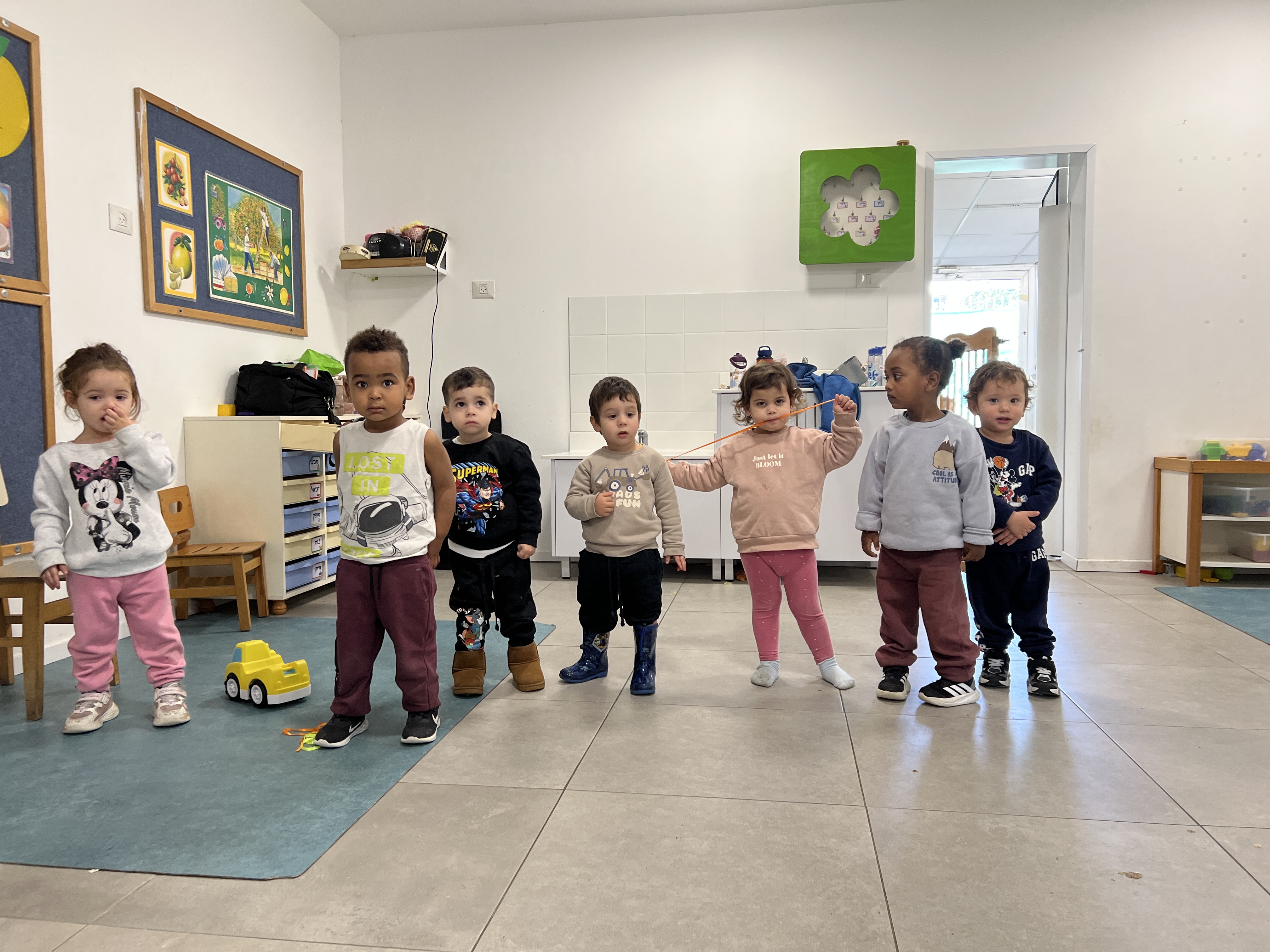
In 1951, WIZO in Finland received its first own project in Israel: a day-care centre in Galilee that served children living in difficult conditions. In 1960, the Shaviv day-care centre in Herzliya became the Finnish WIZO's main project, and for decades it has been a symbol of the organisation's work in Israel. Support for Shaviv continues to this day.
Pnina Jakobson — one of the central figures of the Finnish WIZO
One of the most significant figures of the Finnish WIZO was Helmi Jakobson, later known as Pnina Jakobson. She became interested in Judaism, converted to Judaism and strongly embraced the Zionist idea. In 1952, she became chair of WIZO Helsinki. Pnina Jakobson was known for her language skills, her activeness and her strong commitment to the Jewish community and to the support of Israel.
Visibility in Finnish society
From the 1950s onwards, WIZO Finland became increasingly visible in Finnish society as well. The organisation arranged charity events, cultural evenings, Hebrew courses, art exhibitions and fundraising campaigns. The first famous WIZO bazaar was held in 1956. Bazaars became a visible part of the organisation's operation for decades. Finnish public figures and politicians such as Alli Paasikivi and Sylvi Kekkonen also took part in the activities. After the dissolution of the Soviet Union, WIZO Finland helped Jews who had moved from the former Soviet Union to Israel, and at the same time Finnish supporters — the so-called sponsors — became an important part of the organisation's work.
The present day
WIZO Finland continues to be active together with WIZO Turku. The main emphasis is on the work carried out for Israeli children and families through the Shaviv day-care centre in Herzliya, while at the same time an important aim of the organisation is to strengthen Jewish community and identity in Finland.
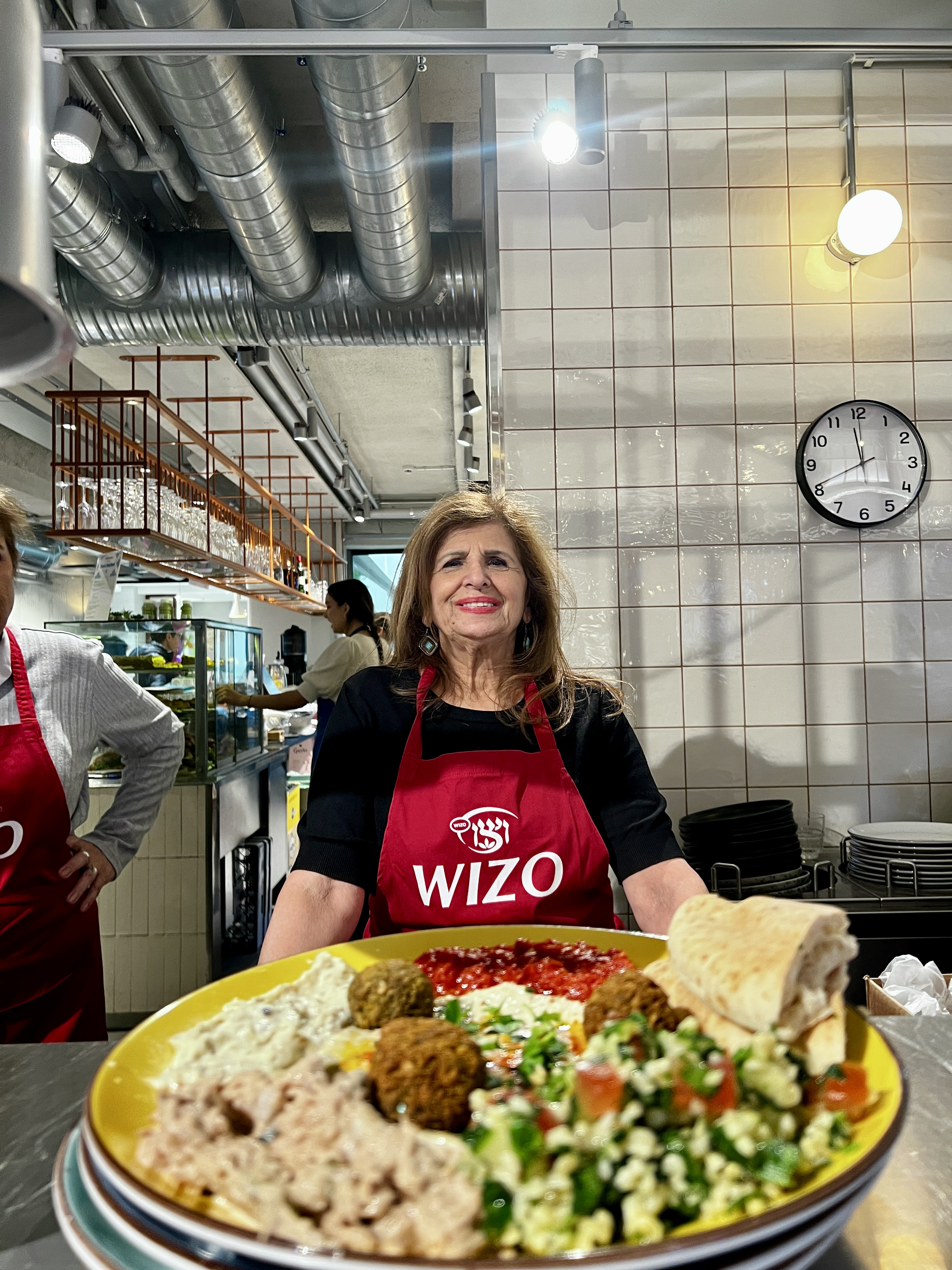
WIZO Finland arranges two sponsor events each year, as well as several communal and cultural occasions. Long-standing traditions are maintained, among other things, in the form of the WIZO Food Market, which operates as a pop-up restaurant offering Israeli and Jewish delicacies as well as a place for communal encounters. In addition, an annual women's evening is held, as well as the Aviv event aimed at young Jewish women, the themes of which often relate to well-being, identity and community.
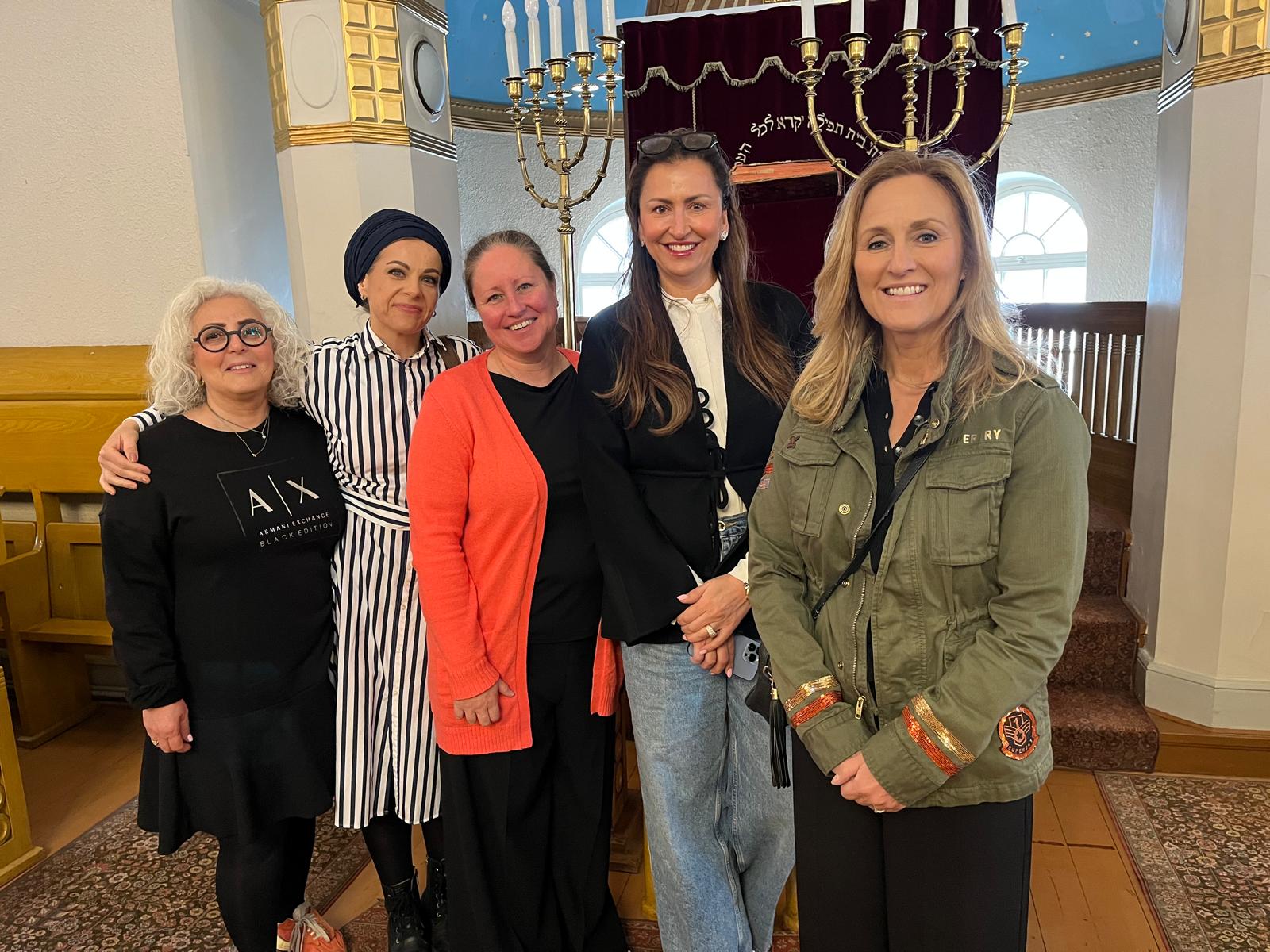
The chair of the current board is Dana Pikkarainen. The sponsorship coordinators are Silvia Alegre and Neshama Shemtov, the membership coordinators Rona Pomoell and Sara Pinomaa, the treasurer Natali Ref and the events hostess Tal Siren.
In the future, WIZO Finland wishes to develop its activities increasingly towards building community. The aim is to create new events and ways of bringing people together, as well as to strengthen Jewish identity in Finland among younger generations too.
A hundred-year journey
In 2024 WIZO Finland celebrated its hundred-year journey. Built by the small Finnish Jewish community, the organisation has for a hundred years helped children, supported Israel, strengthened Jewish identity and built connections between people across borders. The story of WIZO Finland shows how even a small community can have a significant impact on the world.
Images of WIZO Finland's work