A Jewish burial tradition
Chevra Kadisha
Chevra Kadisha, or the “holy society”, is one of the oldest and most respected institutions of the Jewish community in Helsinki. Its members are volunteers who prepare the deceased for burial according to Jewish tradition and support the grieving family. This work is called chesed shel emet: a true act of kindness performed for a person who can never repay it.
Roots in the time of Abraham
The roots of Chevra Kadisha are found in the Book of Genesis (chapters 23–25), where Abraham purchased the cave of the patriarchs as a burial place for Sarah. According to tradition, the first organised Chevra Kadisha in Europe was founded by the Maharal of Prague (Rabbi Yehuda Liwa ben Bezalel) in 1564. From there, the model spread to Jewish communities throughout Europe.
The history of Chevra Kadisha Helsinki
Chevra Kadisha Helsinki was founded in 1864. Its founders were Cantonists. Its original purpose was to ensure a proper Jewish burial for comrades who had died in service. Chevra Kadisha had its own prayer room, which remained in use until the Helsinki Synagogue was inaugurated in 1906.
Since the Jewish community in Helsinki was officially established, Chevra Kadisha has continued its work without interruption, providing funerals in accordance with Jewish orthodox religious law, i.e. halakha, the wishes of the deceased, and tradition.
The members of Chevra Kadisha care for the deceased, prepare them for burial, and support the grieving family during a difficult time. Alongside the practical work, there is always a spiritual and religious dimension: Chevra Kadisha is at its core a humanitarian Jewish organisation.
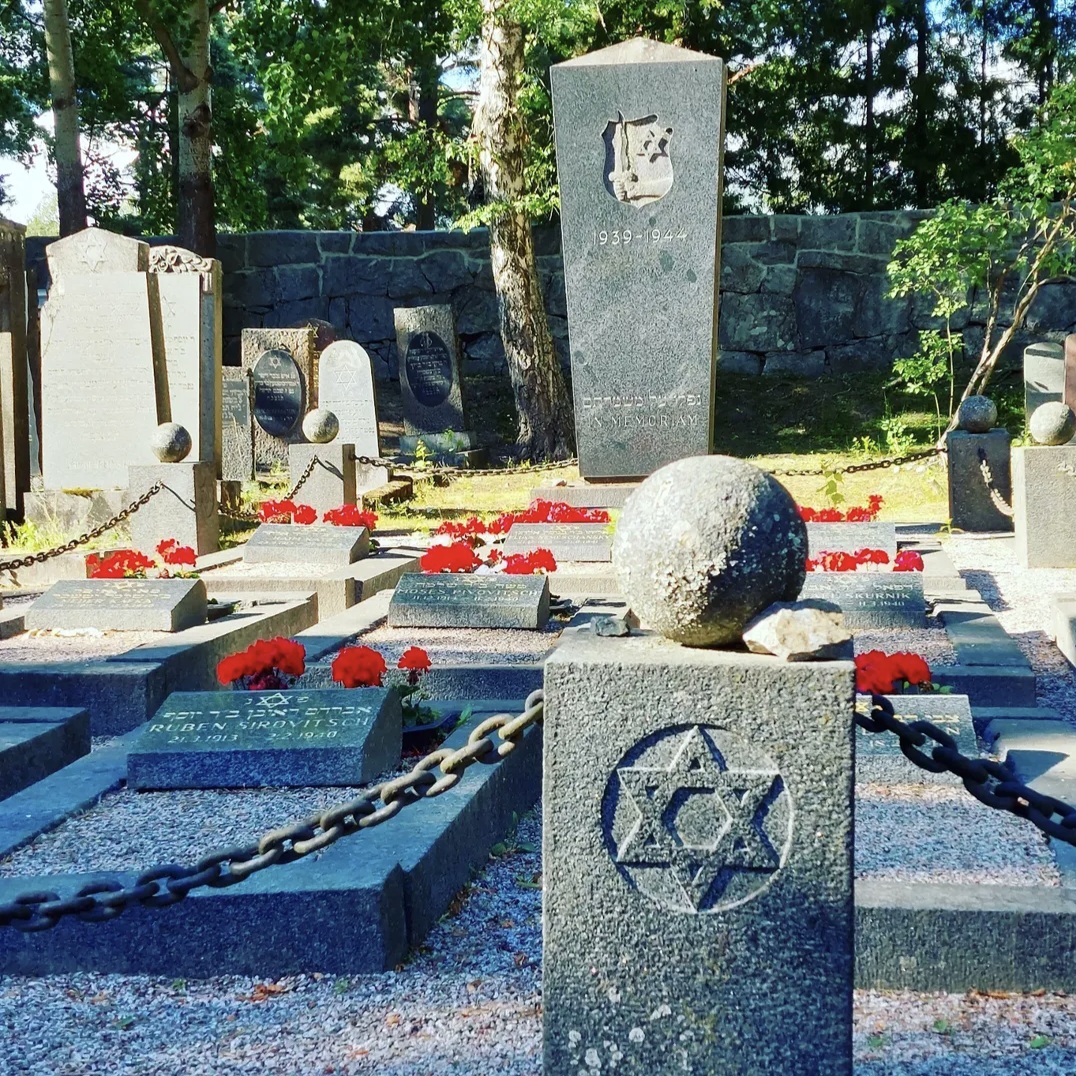
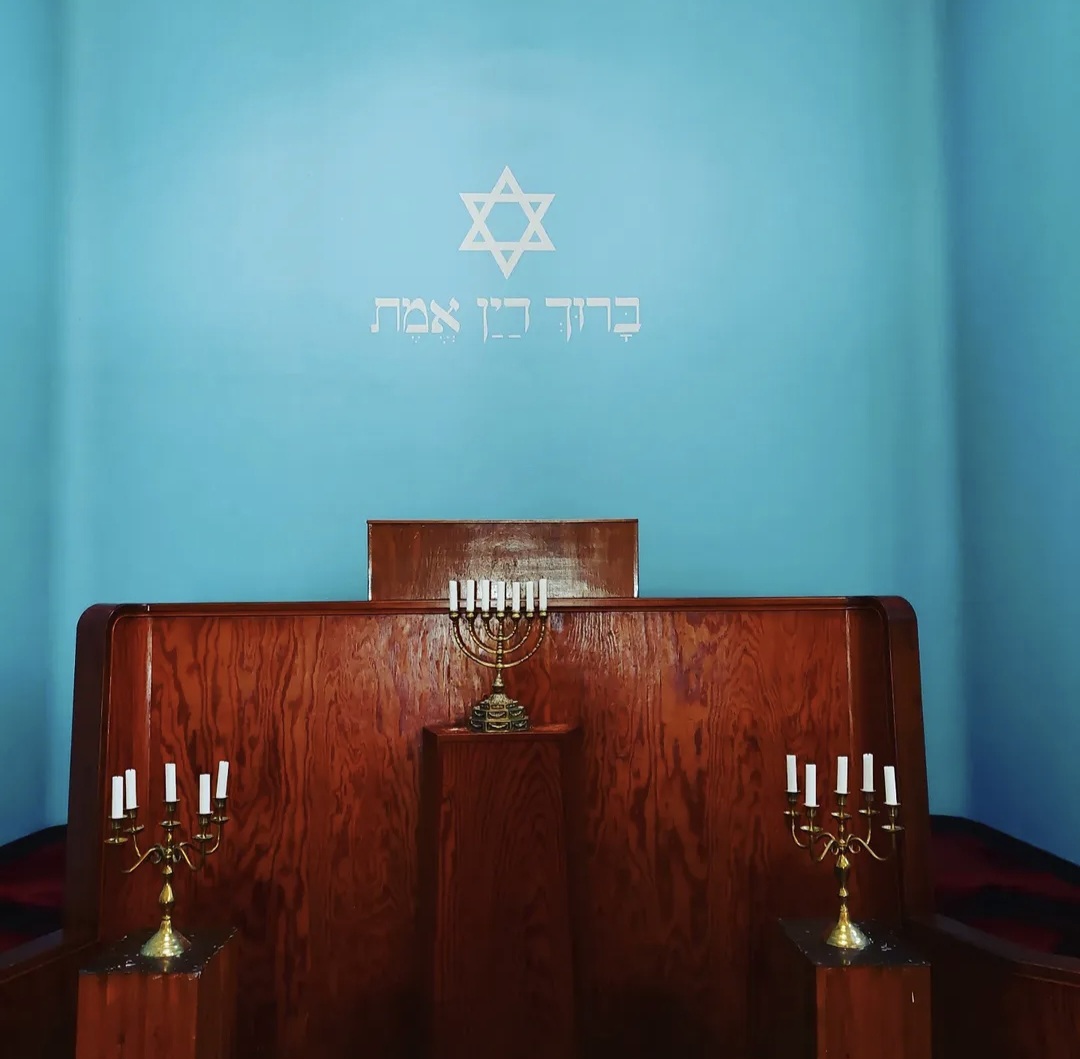
The first cemetery was located in Hietalahti, Helsinki. The cemetery currently in use was established in Hietaniemi in 1895, and a newer section was later built adjoining it. In 1951, a chapel designed by K. R. Lindgren was completed on the site, together with a prayer room for funeral services.
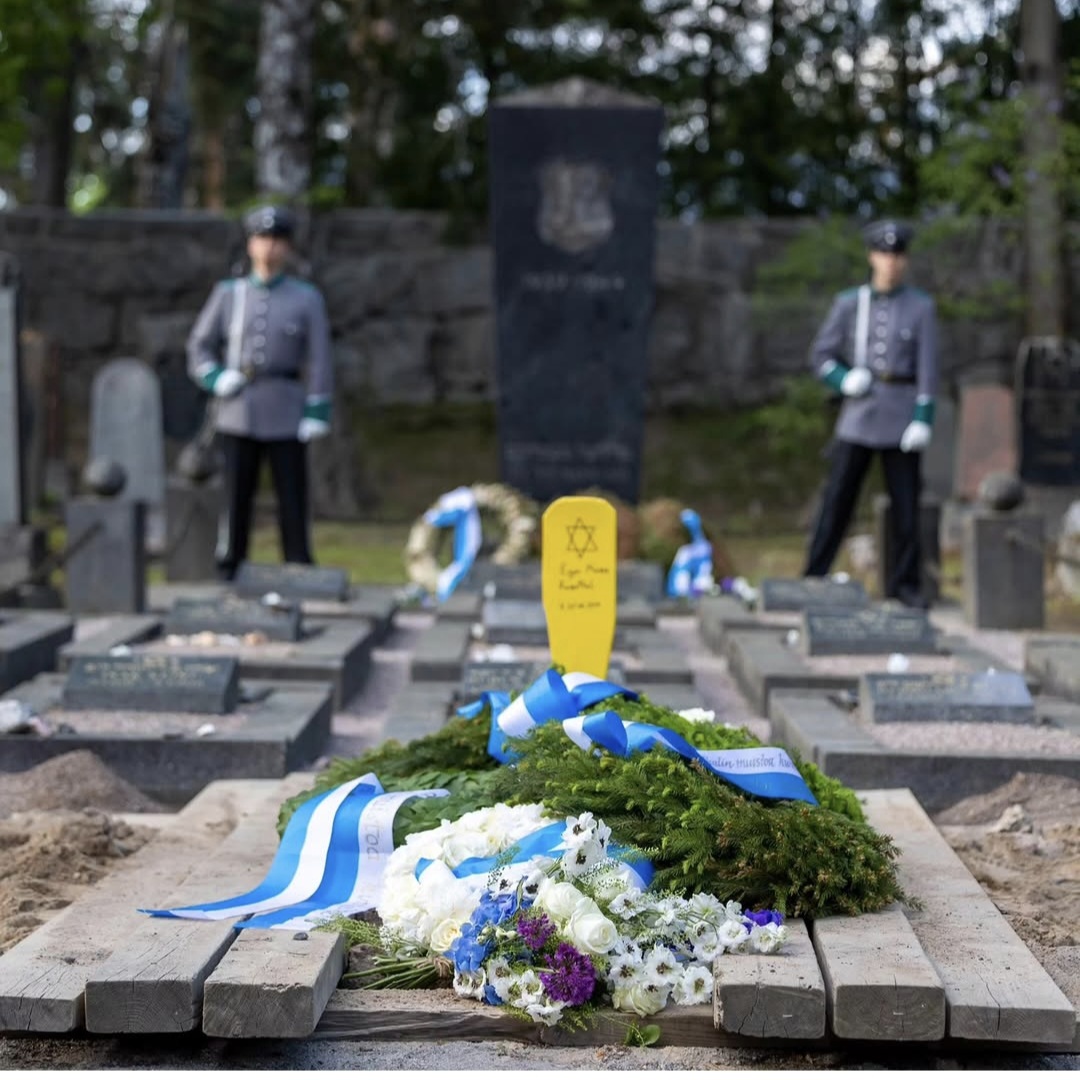
The cemetery also has a military section dedicated to the Jewish soldiers who fell for Finland's independence. During the Second World War, dozens of Jewish soldiers served in the Finnish army in the three wars fought between 1939 and 1945. During the Continuation War (1941–1944) they fought against the Soviet Union as brothers-in-arms of Nazi Germany.
The present day
Chevra Kadisha Helsinki remains actively at work. Volunteers perform the tahara — the sacred purification of the deceased — and support the family in their loss. In this way, every member of the community, who so wishes, may rest beside their loved ones in keeping with the tradition of the forefathers.
Currently, about 85 volunteers are active in Chevra Kadisha. The work is led by chairman Joona Hasan and by the deputy chairman and gabbai Gil Mayer. There are, on average, about ten deaths a year.
When a death occurs, word reaches either the gabbai, the representative of the burial society, or the chairman, and they immediately begin arranging the funeral. The aim is always to hold the funeral as soon as possible, ideally even within a day.
The tahara (among Finnish Jews often also known by the Yiddish word tare) is carried out so that women attend to women and men to men. The tare may be performed by any member of Chevra Kadisha, and it is a central part of honouring the deceased (kavod hamet) in Jewish law. The Chevra also ensures that the deceased is not left unwatched (shemira) before burial.
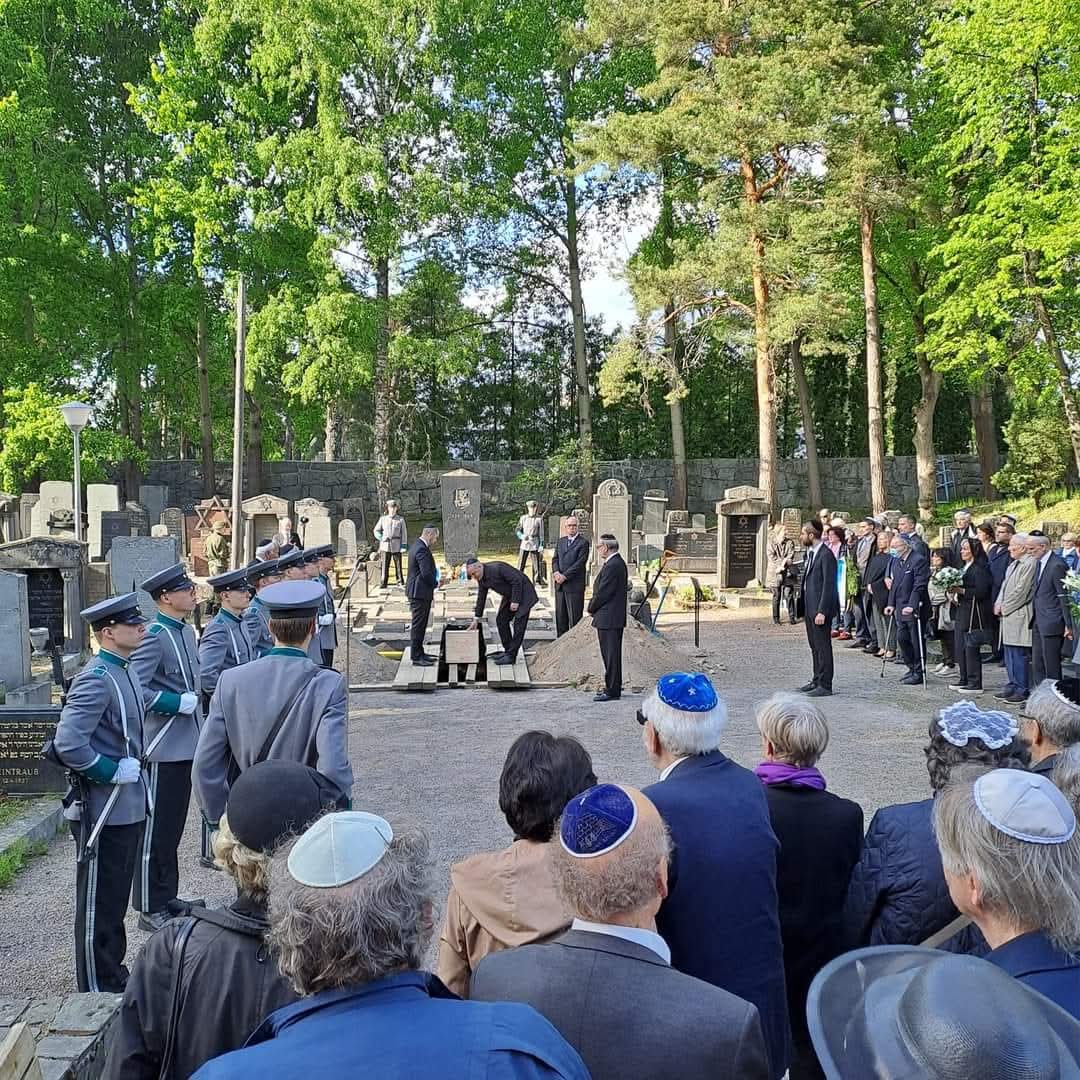
Families may ask that the deceased be brought home before the funeral, but this is now very rare. Chevra's male volunteers are also responsible for carrying the coffin and lowering it into the grave during the funeral.
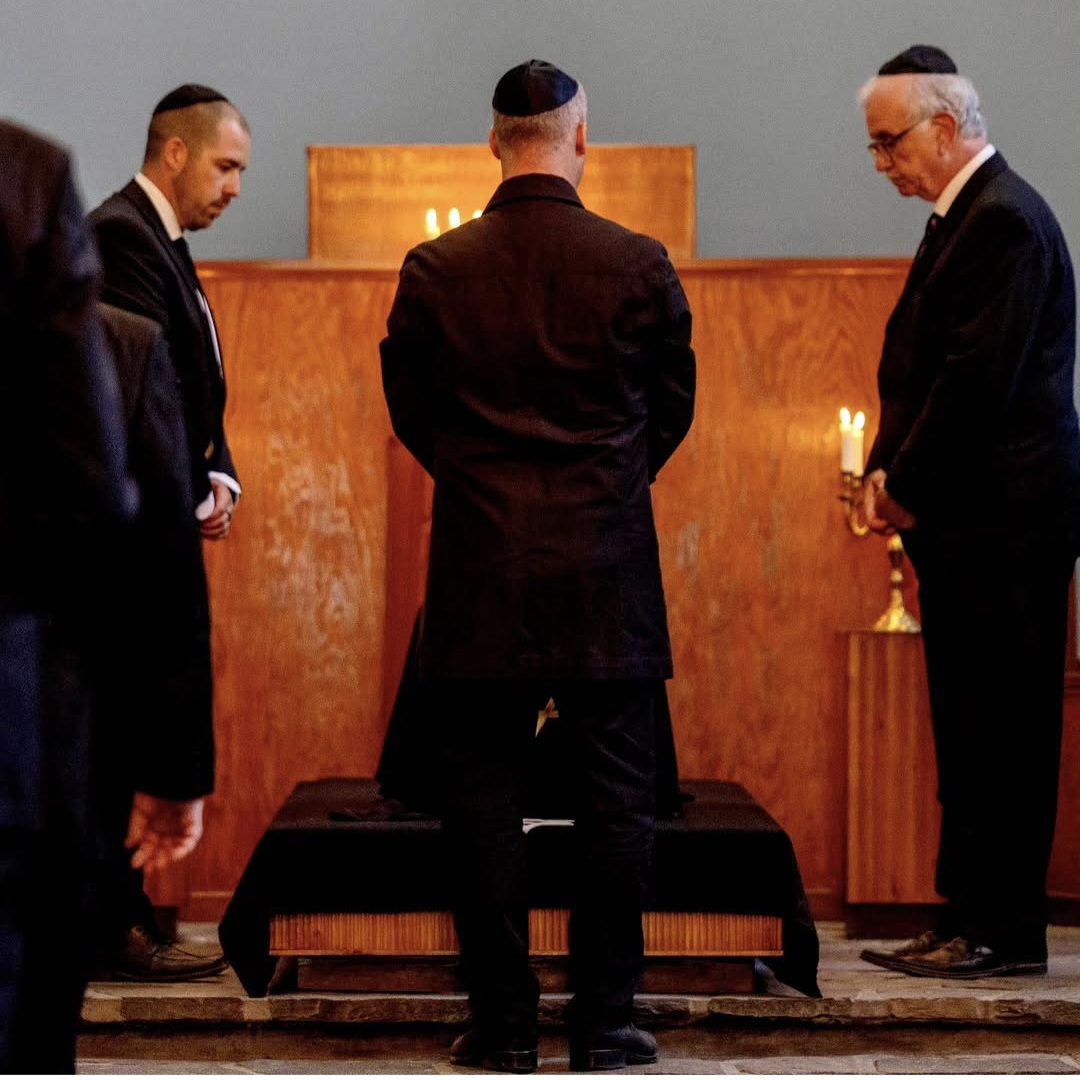
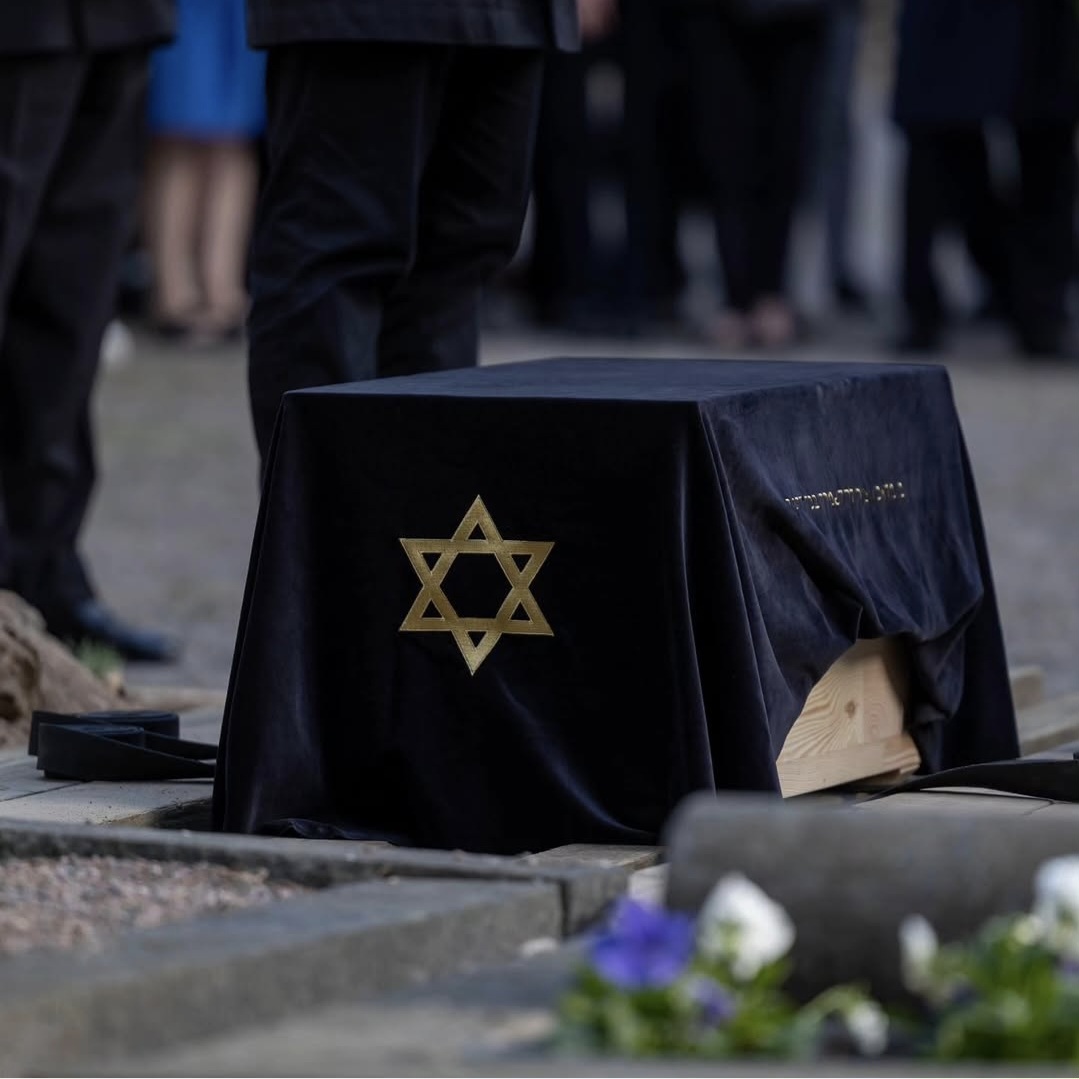
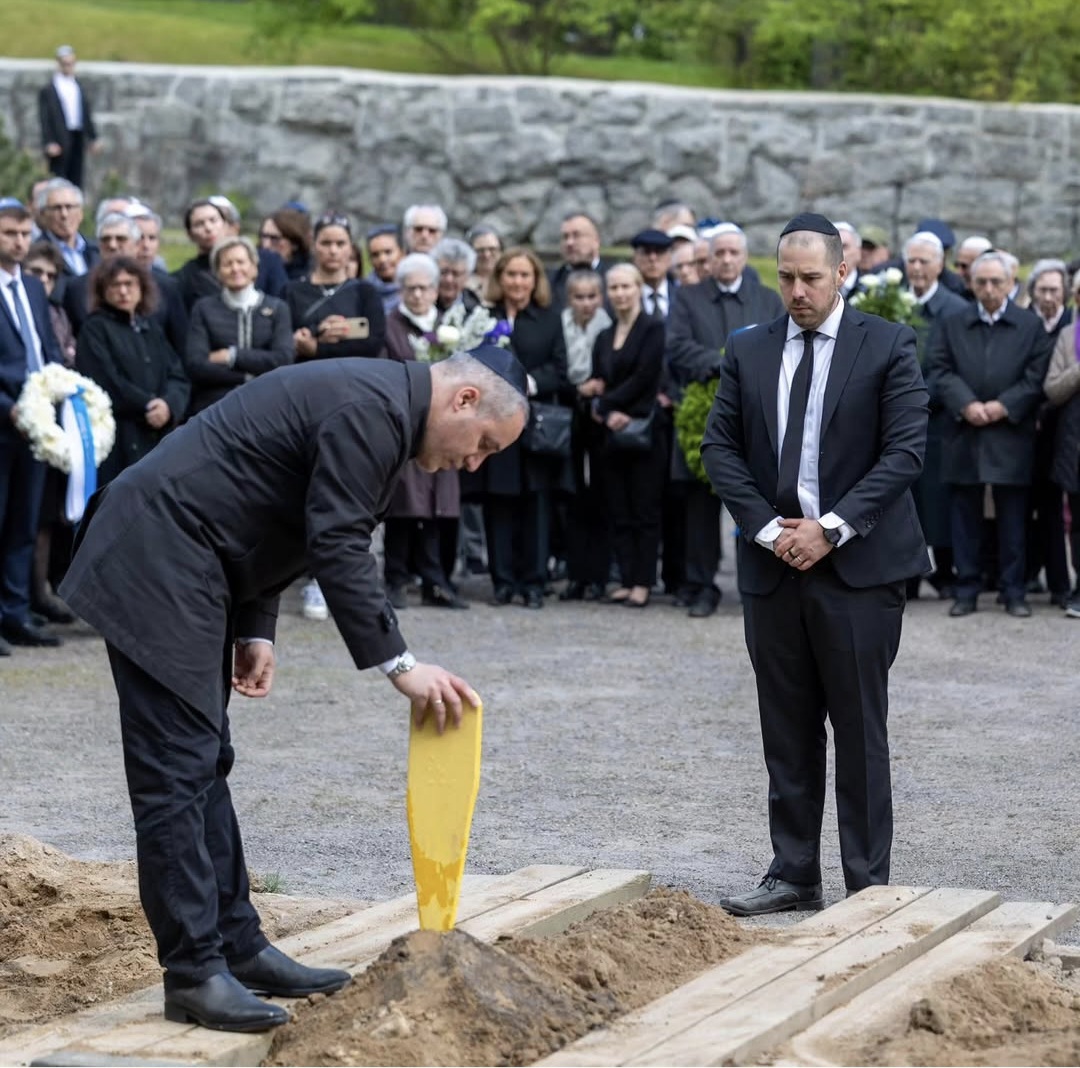
A significant moment in recent history occurred on 30 May 2023, when Egon Moshe Rosenthal was buried in the military section of the Jewish cemetery in Hietaniemi. Born in February 1924, Rosenthal disappeared at the age of 20 in June 1944 in the fighting between Finland and the Soviet Union on the Eastern Front. He was finally brought home to a Jewish military burial 79 years after his disappearance.
An unbroken chain of traditions
Chevra Kadisha embodies a quiet but central value of Judaism: human dignity belongs to everyone, especially to those who can no longer speak for themselves. In Helsinki, this work connects the small community to the goldene keit, the unbroken chain of traditions that reaches from the Book of Genesis through sixteenth-century Prague to the present day.
The military funeral of Egon Moshe Rosenthal
The Jewish cemetery in Helsinki